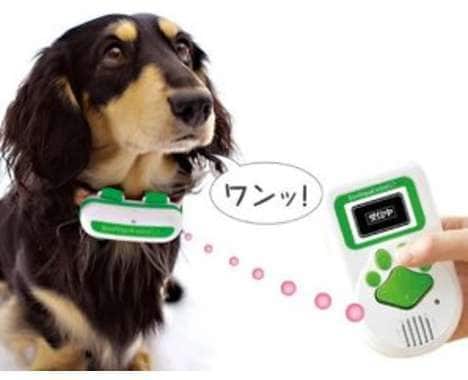
The canine translator was developed in Japan (where else) from the voiceprints of 5000 samples of dog barks. The device was developed by Dr. Matsumi Suzuki, whom we've already featured for his work in trying to simulate the voice of the enigmatic Mona Lisa from an analysis of her bone structure.
By making a digital analysis of the library of canine barks, Dr. Suzuki established that the barks fell into 6 distinct patterns. By cross-referencing the 6 patterns with the body language of the dogs as determined by their owners, Dr Suzuki matched the 6 important types of bark with the following emotions:
Key Themes Behind This Trend
- Canine Translation Technology
- opportunity for developing innovative devices that can translate dog barks into human emotions.
- Voiceprint Analysis
- potential for using voiceprints to understand and interpret animal communication.
- Digital Analysis of Behavioral Patterns
- possibility of using digital analysis to identify distinct patterns in animal behavior.
Where This Applies
- Pet Tech
- disruptive innovation opportunity in the pet technology industry to create products that enhance communication and understanding between humans and animals.
- Biometric Analysis
- potential for applying biometric analysis techniques to decipher animal communication and emotions.
- Artificial Intelligence
- opportunity for integrating artificial intelligence algorithms into pet-related devices to interpret and respond to animal behavior and emotions.