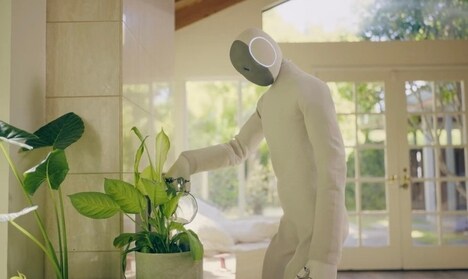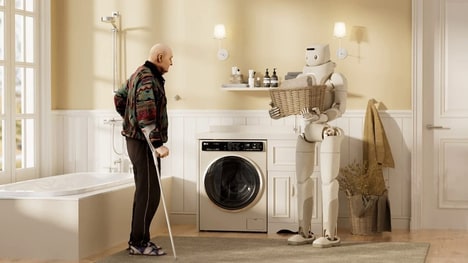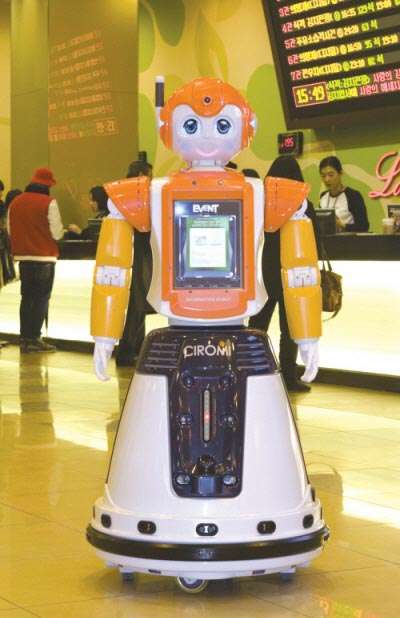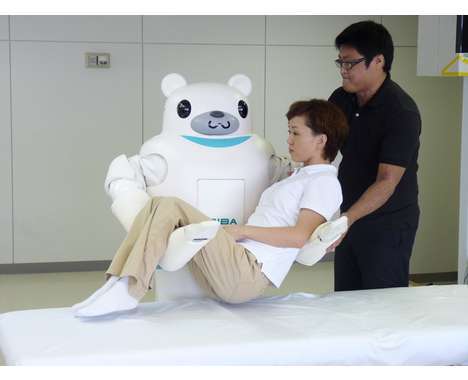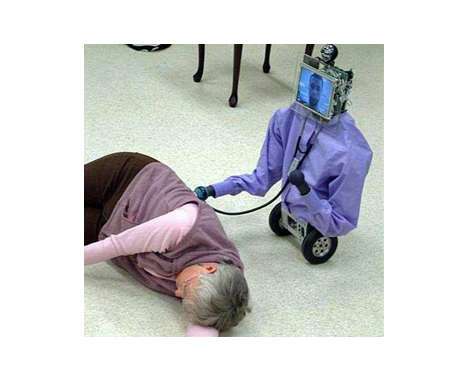
With baby boomers making the transition into the 65-and-older crowd, researchers at the University of Massachusetts Amherst have developed a robot that can help in case of a medical emergency. What can this droid do - use a stethoscope, call for an ambulance, and facilitate a video call with a doctor allowing them to see and communicate with the victim/owner. It can also remind people to take their medication, pick up packages and do some cleaning. Wow! The first uBOT-5 took about $65,000 to develop but, if mass-marketed, the bot could cost as low as a few thousand dollars.
Key Themes Behind This Trend
- Robot Nurses for Elderly Care
- The development of uBOT-5 robot nurses that can perform basic medical assistance and household chores demonstrate the potential for robotic solutions in elderly care.
- Telemedicine and Remote Diagnosis
- uBOT-5's ability to facilitate video calls with doctors and transmit vital medical information highlights the potential for telemedicine in providing remote medical diagnosis.
- Affordable Medical Robots
- The potential for uBOT-5 to be mass-marketed at a cost of just a few thousand dollars highlights the possibility for generating affordable medical robots.
Where This Applies
- Healthcare Industry
- The healthcare industry can leverage the use of robot nurses like uBOT-5 to enhance patient care and improve medical services.
- Robotics Industry
- The development and manufacturing of medical robots like uBOT-5 can create disruptive innovations in the robotics industry.
- Technology Industry
- The intersection of robotics and healthcare is an area of opportunity for the technology industry in developing new solutions for medical needs.