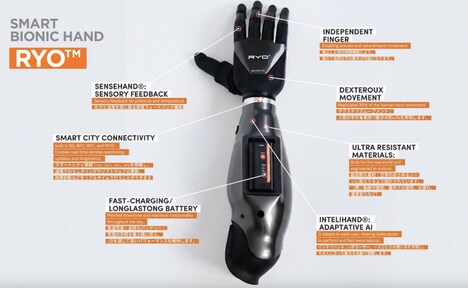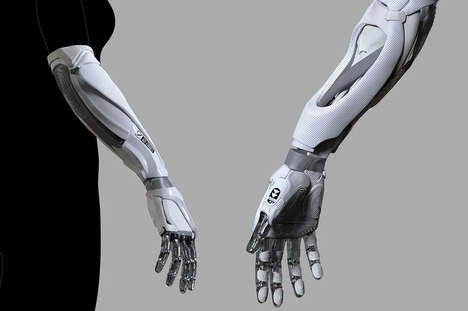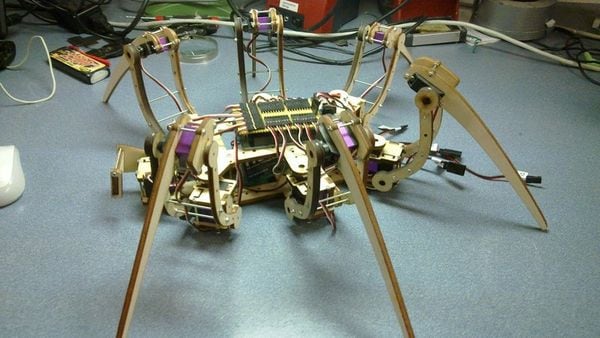
Cybernetics professor Kevin Warwick already has a foreign object implanted in his arm, but he is taking his cybernetics studies to a new level.
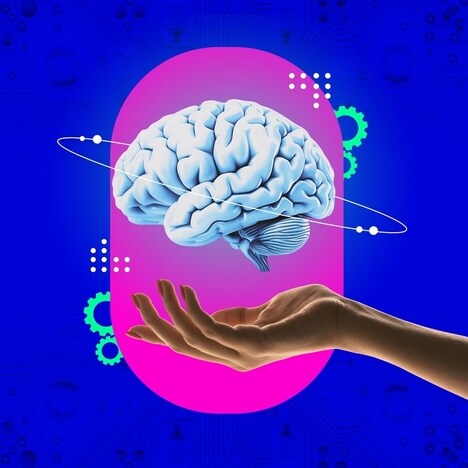
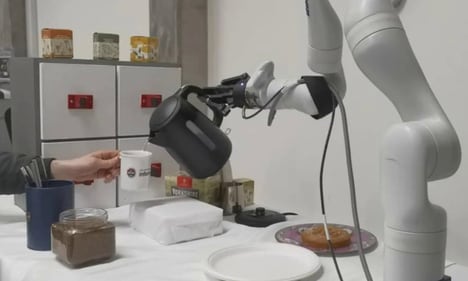
Professor Warwick is growing a biological brain by using brain cells from a rat. The brain is planned to be attached to a robot body and used to drive the robot's wheels.
Sounds a little gory, but I wish him all the best!
Implications - Testing has long existed on animals and while this is not a favorable method for research for some, a lot can be gained through experimentation. As a more animal-friendly alternative, businesses should always incorporate market research and focus groups into their developmental schemes in order to test out products and get consumer feedback.
Key Themes Behind This Trend
- Biological Robotics
- Developing robots with biological brains opens up opportunities for more advanced and adaptable robotic systems.
- Animal-friendly Research
- Exploring alternatives to animal testing through growing biological brains for robots encourages businesses to consider more ethical research practices.
- Market Research Integration
- Incorporating market research and focus groups into product development allows businesses to gather valuable consumer feedback and optimize their offerings.
Where This Applies
- Robotics
- The robotics industry can benefit from the integration of biological brains into robots, enabling more advanced functionalities and increased adaptability.
- Biotechnology
- The biotechnology industry can explore the potential of growing biological brains for various applications, including robotic systems and medical research.
- Consumer Goods
- The consumer goods industry can leverage market research integration to develop products that align with consumer preferences and increase customer satisfaction.