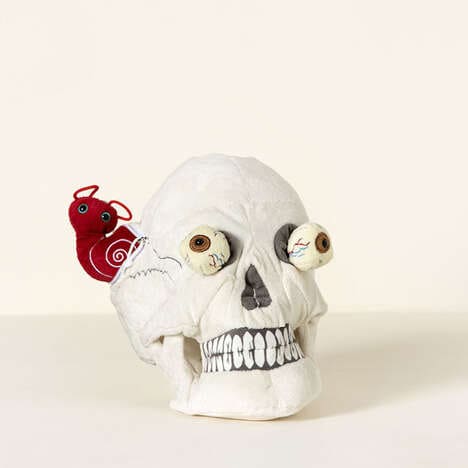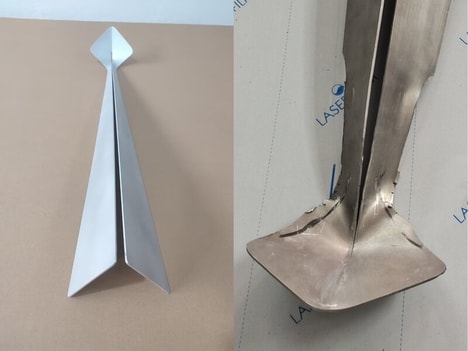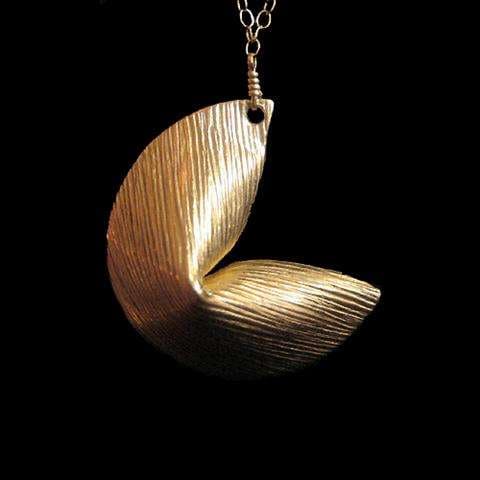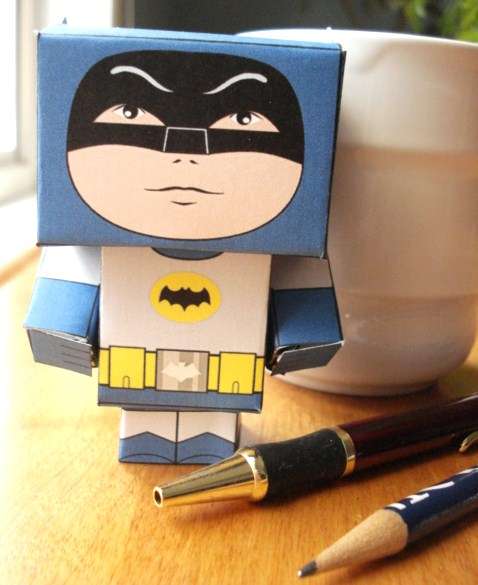
This paper skeleton is one hardcore piece of origami made out of just one piece of paper. I know how hard it is to even make a simple paper airplane, so I imagine the time that went into this anatomical piece.
Marc Kirschenbaum is the man behind this papercraft skeleton. Want to try and make your own? Kirschenbaum has provided a 15-page, 93-illustration booklet that you can download from his website.
Implications - Now, I'm sure I'm not the only one who spent a fair amount of their childhood trying to replicate impressive origami creations they saw their friends make or even better ones they've seen on TV. I don't think I have the talent to make something one-eighth as cool as Marc Kirschenbaum's work, so do us both a favor and enjoy his expertise.
What Makes This Trend Stand Out
- Papercraft Innovation
- The art of creating unique and elaborate papercraft may introduce new and innovative designs that push the limits of what is currently possible
- DIY Activity Books
- Activity books, like the papercraft booklet provided by Marc Kirschenbaum, may become increasingly popular as people seek to learn new skills or indulge in creative pastimes from home
- Anatomical Art
- Artists who specialize in anatomical art, like Marc Kirschenbaum, may see an increase in demand for their unique and intricate paper creations
Sectors Adopting This
- Arts and Crafts
- The arts and crafts industry may look to incorporate more elaborate papercraft designs in their product offerings as consumers seek out new and challenging DIY projects
- Education and Learning
- Educational publishers may explore creating more activity books that teach readers how to create unique papercraft designs, allowing people to learn new skills while engaging in a creative hobby
- Medical Illustration
- Medical illustrators may incorporate papercraft designs into their educational materials or medical publications, providing a unique and engaging way to learn about anatomy