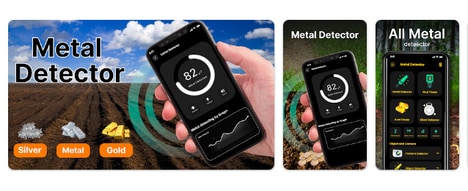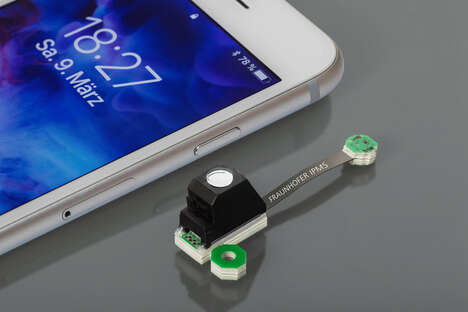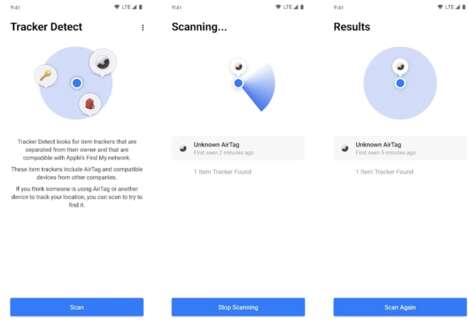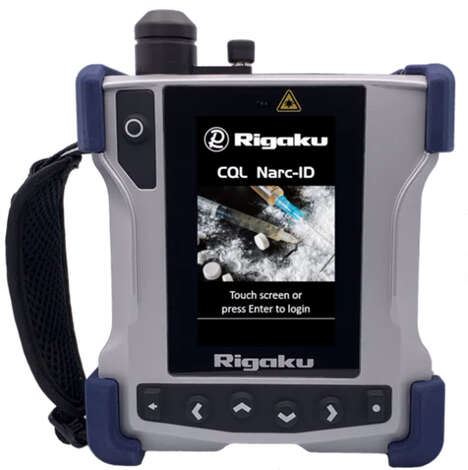
Now you can detect and distinguish between methane, ammonia, chlorine gas and other chemicals, thanks to the NASA Homeland Security Cell-All Program. NASA has created an iPhone application that acts as a chemical sensor. It uses a silicon-based sensing chip with sixteen nanosensors to sniff small amounts of chemicals.
The chemical-smelling application from the NASA Homeland Security Cell-All Program could be used to acquire early information about a chemical attack, confirm suspicions of methane emissions from local factories, or just give users information about the chemicals present in their daily environments.
What's Driving This Trend
- Chemical Sensing Applications
- Developing smartphone applications with chemical sensing capabilities can revolutionize early detection of chemical threats and improve user safety.
- Nanosensor Technology
- Advancements in nanosensor technology have the potential to enhance the accuracy and sensitivity of chemical detection devices.
- Iot Sensor Integration
- Integrating chemical sensing capabilities into Internet of Things (IoT) devices can provide real-time monitoring and alert systems for various industries.
Who This Affects Most
- Healthcare
- Adopting chemical-sensing smartphones can help healthcare professionals identify hazardous substances in clinical settings and improve patient safety.
- Environmental Monitoring
- Deploying chemical-sensing applications in industrial areas can help monitor air quality, detect pollutants, and ensure compliance with environmental regulations.
- Public Safety and Security
- Integrating chemical-sensing capabilities in surveillance systems can enhance threat detection and response measures at public venues and critical infrastructure.