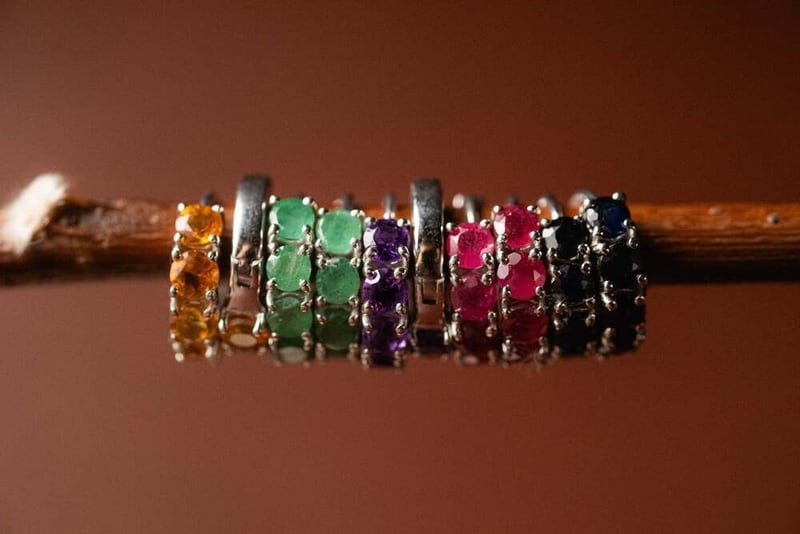
Sphinx & Emeralds launched its debut fine jewelry collection in Montreal, built entirely around lab-grown diamonds, which are chemically and visually identical to mined diamonds but carry a lighter environmental footprint and no sourcing concerns. The lab-grown diamond jewelry line arrives as analysts project that lab-grown stones now account for around 20% of the global diamond market.
Lab-grown diamonds typically retail for roughly 30% less than mined diamonds, making the collection more accessible without compromising brilliance or durability. All stones in the collection are certified and conflict-free.
As fine jewelry consumers increasingly prioritize transparency and sustainability, Sphinx & Emeralds shows that building a brand around intentional design and conflict-free sourcing can position a debut collection at the intersection of modern luxury and environmental responsibility.
Image Credit: Sphinx & Emeralds
Why This Trend Is Growing
- Rise of Lab-grown Diamonds
- A growing share of the global diamond market shifting to lab-grown stones creates room for lower-cost, high-quality luxury offerings that decouple prestige from traditional mining.
- Sustainable Luxury Demand
- Consumers increasingly preferring environmentally minded luxury goods is driving new expectations around materials and brand purpose in high-end categories.
- Certification and Transparency Emphasis
- Verified, conflict-free documentation tied to individual stones is becoming a key trust signal that can redefine provenance standards and consumer confidence.
Industries Being Reshaped
- Fine Jewelry
- Designers and houses focused on diamonds face pressure to integrate lab-grown options that maintain craftsmanship while appealing to ethically minded buyers.
- Luxury Retail
- Retailers curating premium assortments are encountering demand for sustainable narratives that reshape merchandising, pricing, and storytelling strategies.
- Supply Chain and Certification Services
- Providers of tracking, grading, and certification stand to transform verification processes as provenance and environmental impact become purchase determinants.