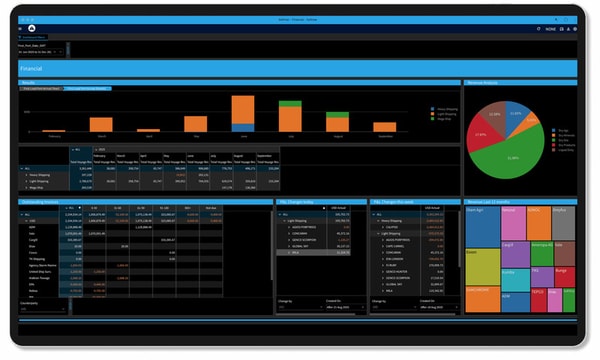

SymphonyAI is rolling out vertical AI platforms tailored to traditional industrial sectors like manufacturing and supply chain, prioritizing domain-specific performance over one-size-fits-all tools. Rather than centering on generic, horizontal models, the company builds application-focused systems that target long-standing operational problems. This approach emphasizes real-world deployment in plants, warehouses, and logistics networks, where reliability and accuracy matter more than broad consumer use cases.
Under the hood, SymphonyAI relies on a model-agnostic strategy that incorporates both closed and open source generative AI models. Open source options give enterprises flexibility to fine-tune models for specialized reasoning, such as quality inspections, maintenance planning, or inventory optimization. By adapting smaller models to narrow tasks, the platforms can rival the performance of much larger systems while remaining more efficient and easier to govern.
For industrial customers, this vertical AI stack promises faster adoption and clearer ROI than generic AI tools. Teams get solutions shaped around familiar workflows, rather than having to rebuild processes around new technology. The trend underscores how sector-specific GenAI and open ecosystems are becoming central to AI modernization in established industries, narrowing the gap between cutting-edge research and on-the-floor execution.
Image Credit: SymphonyAI
What's Driving This Trend
- Vertical AI Platforms
- Vertical AI platforms are being tailored for specific sectors, providing specialized solutions rather than generic tools, which allows for more precise and efficient operations.
- Model-agnostic Strategies
- The combination of closed and open source AI models in a model-agnostic approach offers companies flexibility in adapting and fine-tuning AI for precise industrial tasks.
- Domain-specific Genai Use
- Focusing on domain-specific GenAI applications enhances reliability and performance in practical settings like manufacturing and logistics.
Who This Affects Most
- Manufacturing
- The manufacturing industry is poised to benefit from AI platforms that are calibrated for particular production environments, optimizing processes such as quality control and maintenance.
- Supply Chain Management
- Supply chain management can leverage sector-specific AI tools to streamline logistics, enhance inventory management, and improve overall efficiency.
- Industrial Technology Deployment
- Incorporating AI into industrial technologies is transforming how these tools are deployed, focusing on practical, real-world applications for enhanced operational outcomes.