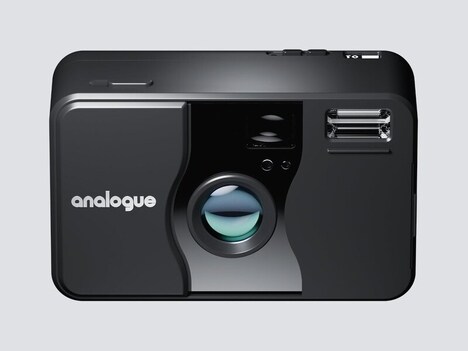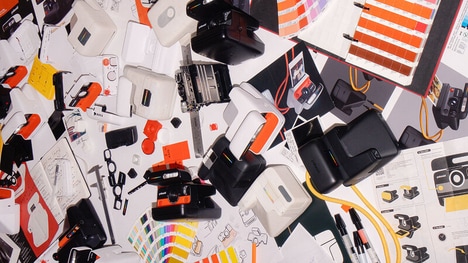
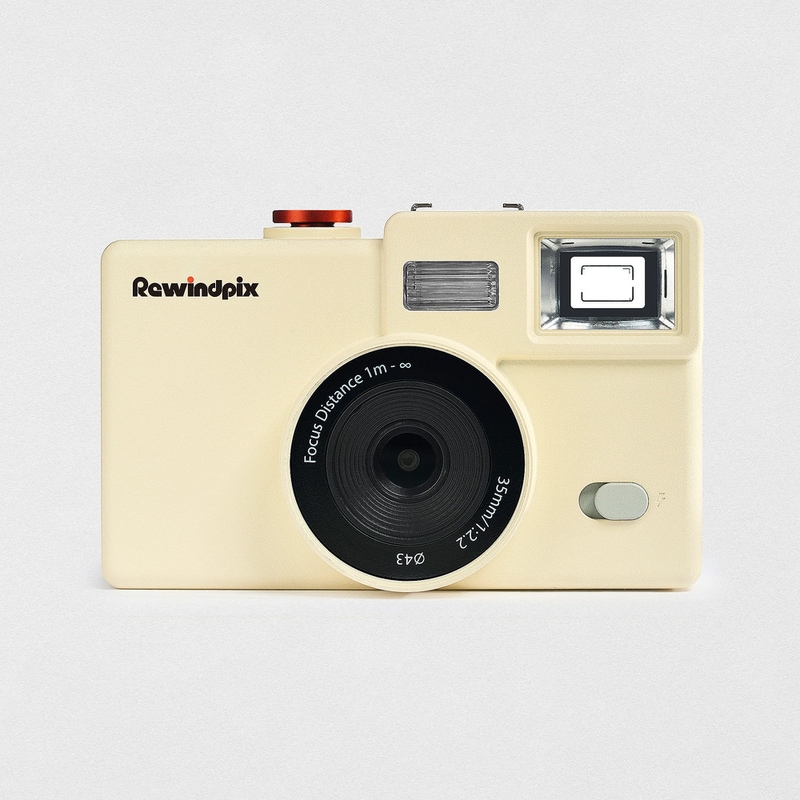
The Rewindpix is a compact, non-disposable digital camera launched on Kickstarter by photographer and designer Xiao Liu, featuring a film-inspired workflow with a physical film winder and a switchable “film” mode that mimics 35mm analog shooting. It pairs a Sony 13MP 1/3.06-inch sensor with a claimed accurate 25 x 20-mm optical viewfinder and a fixed f/2.2 lens to recreate that low-res, color-shifted aesthetic in a purpose-built package.
The 185 g body uses PVC and metal, includes a Xenon flash, cold shoe, 1-inch monochrome LCD, 4 GB SD card, Wi-Fi image transfer and a companion app that applies 36 film-style filters to RAW and JPEG files. Priced from US$119 on Kickstarter with an expected June ship date, the Rewindpix aims to deliver tactile analog ritual and instant digital sharing for nostalgia-driven photographers.
Image Credit: Xiao Liu
Key Themes Behind This Trend
- Film-inspired Digital Devices
- A resurgence of electronics that replicate analog film characteristics creates room for novel sensor-processing pairings and dedicated hardware-software synergies that prioritize aesthetic fidelity over technical specs.
- Ritualized Physical Controls
- Tactile interfaces such as manual winders and mechanical switches signal demand for product experiences that foreground ritual and deliberate interaction rather than pure automation.
- Nostalgia-driven Aesthetics
- Consumer preference for imperfect, retro visual styles opens pathways for specialized imaging pipelines and curated filter ecosystems that monetize aesthetic authenticity.
Where This Applies
- Consumer Camera Manufacturing
- Compact camera makers can differentiate through hybrid designs that blend legacy form factors with modern connectivity and bespoke image pipelines tailored to nostalgic users.
- Mobile Imaging Apps and Filters
- Software platforms focused on curated film emulations and RAW-to-filter workflows stand to redefine value by offering subscription-based aesthetic toolkits and cloud-backed presets.
- Photography Accessories and Hardware
- Aftermarket accessories like mechanical viewfinders, analog-style flashes, and tactile controls present opportunities for modular ecosystems that extend the physical-camera ritual to multiple device categories.