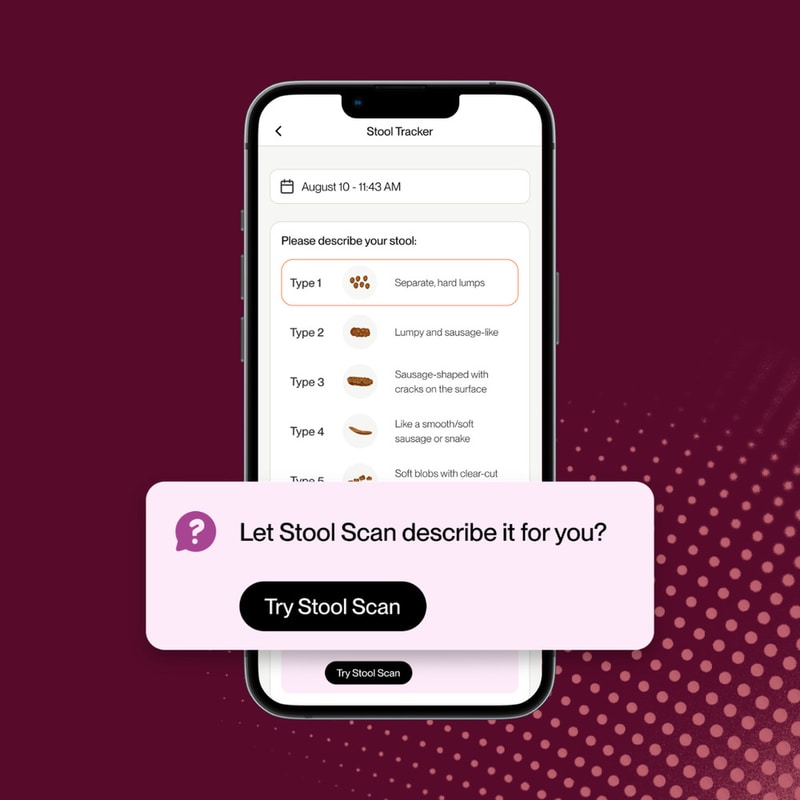
Cylinder Health’s Stool Scan is a clinically validated image recognition tool integrated into its virtual digestive care platform. This feature allows members to capture a smartphone image of their stool and receive objective, multivariate insights. This is all made possible without the individual seeking out specialized hardware.
The Stool Scan technology is trained on over 500,000 images, and the training data set includes annotated clinical samples. Cylinder Health’s technology is designed to complement existing symptom and food tracking information while giving clinicians standardized summaries that reduce variability, support irritable bowel syndrome subtyping, and improve visibility into emerging digestive patterns.
By simply taking a picture with their smartphone, a person can bypass the guesswork and provide their care team with consistent, high-quality data that captures multiple visual features simultaneously, such as color, form, consistency, and other characteristics.
Image Credit: Cylinder Health
Key Themes Behind This Trend
- Smartphone-based Diagnostic Imaging
- Standardized clinical-grade visual biomarkers derived from smartphone photos of biological samples that expand remote diagnostic capabilities without specialized hardware.
- AI-powered Phenotyping
- Machine learning models trained on large, annotated image datasets that enable multivariate phenotype extraction such as color, form, and consistency for condition subtyping.
- Patient-generated Health Data Standardization
- Consistent, clinician-ready summaries produced from user-captured data that reduce interobserver variability and improve longitudinal visibility into symptom patterns.
Where This Applies
- Digital Health Platforms
- Integration of image-recognition diagnostics into virtual care ecosystems that enrich remote monitoring and longitudinal patient records with objective visual metrics.
- Gastroenterology Care
- Enhanced IBS subtyping and symptom management driven by standardized visual assessments that complement traditional symptom and dietary trackers.
- Clinical Trials and Research
- High-volume annotated image repositories and automated phenotyping that support more objective endpoints, stratification, and real-world evidence generation.