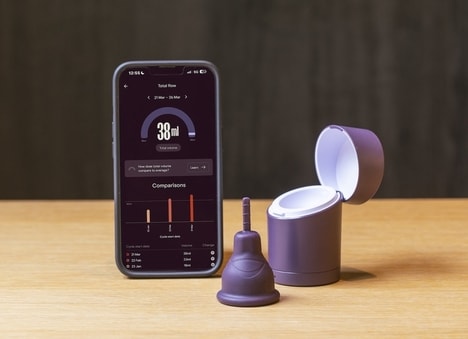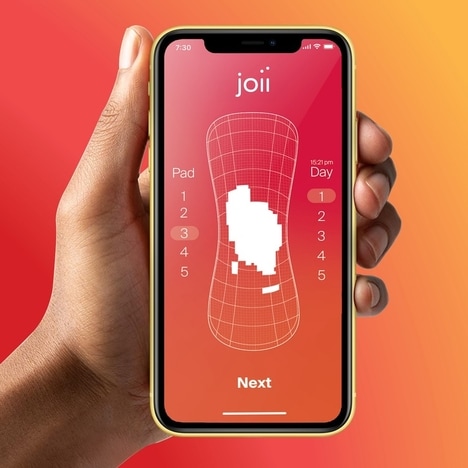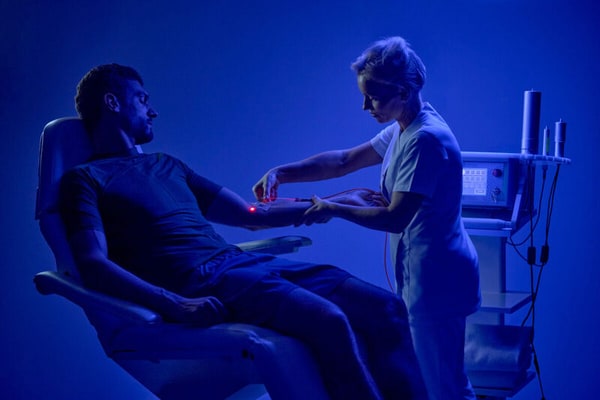
Spark Biomedical has launched the pivotal Phase II LUNA Trial — a prospective, randomized, double-blind, sham-controlled, decentralized clinical study evaluating transcutaneous auricular neurostimulation (tAN) for the reduction of heavy menstrual bleeding. The study involved 80 participants across the United States, including adolescents aged 14 to 21 and adults aged 22 to 45 with no known structural cause for their condition.
Spark Biomedical’s Phase II LUNA Trial involves two baseline menstrual cycles without neurostimulation treatment, followed by three consecutive treatment cycles during which participants self-administer one two-hour session of either active or sham stimulation daily during menstruation. The primary efficacy endpoints measure the proportion of participants achieving a clinically meaningful reduction in menstrual blood loss.
Funding for the study comes from Wellcome Leap through its program The Missed Vital Sign, which aims to reduce the time women wait for effective treatment from five years to five months.
Image Credit: Spark Biomedical
Key Themes Behind This Trend
- Decentralized Clinical Trials
- Remote, self-administered trial designs that reduce participant burden and broaden demographic reach create pathways for scalable, patient-centric evidence generation.
- Neurostimulation for Gynecological Conditions
- Noninvasive neuromodulation approaches targeted at menstrual physiology offer alternative therapeutic modalities to hormonal and surgical interventions.
- Adolescent-focused Reproductive Health Research
- Inclusion of younger participants in pivotal studies highlights unmet diagnostic and treatment needs unique to adolescents, enabling age-specific product development and care models.
Where This Applies
- Medical Device Manufacturing
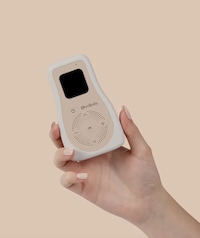
- Design and production of compact, user-friendly transcutaneous auricular neurostimulation hardware could disrupt traditional device categories in women’s health.
- Digital Health Platforms
- Integrated apps and remote-monitoring ecosystems that support decentralized trial workflows and daily self-administration data capture present new service and platform opportunities.
- Women’s Health Pharmaceuticals
- Novel nonpharmacologic competitors to hormonal therapies may shift therapeutic pipelines and spur combination product strategies between devices and drugs.