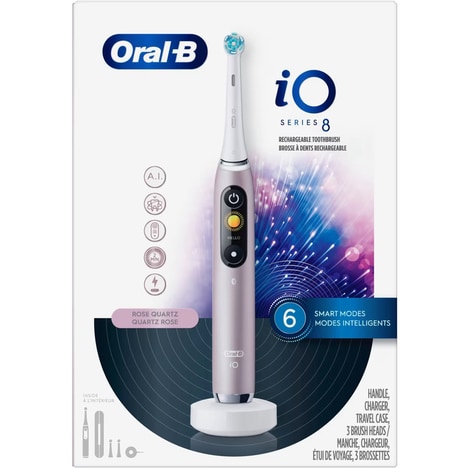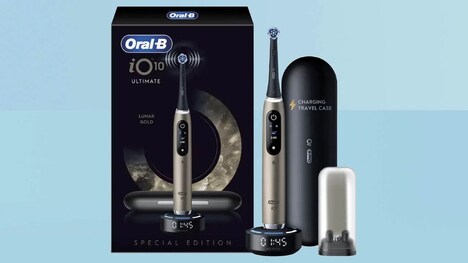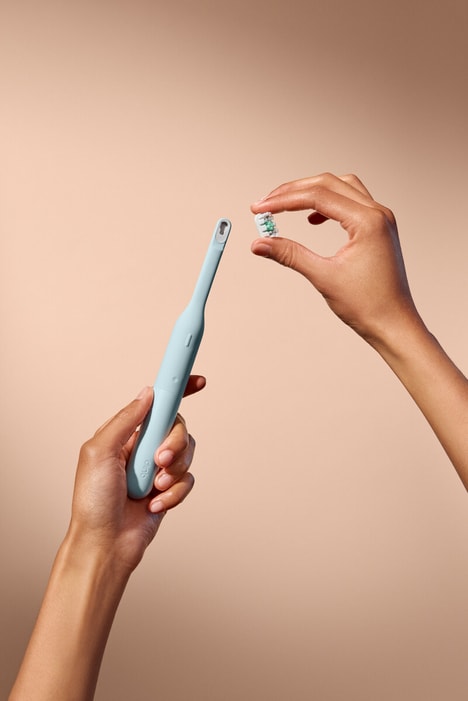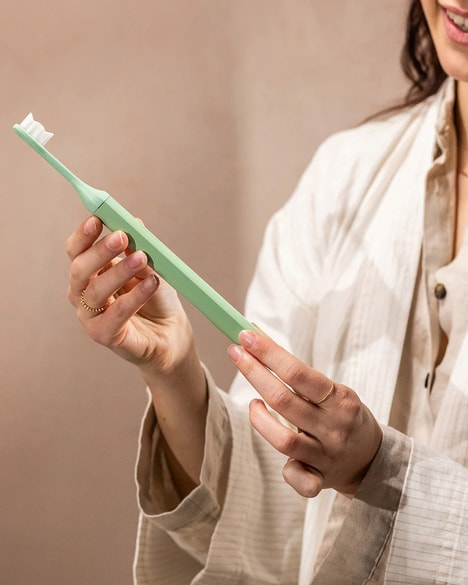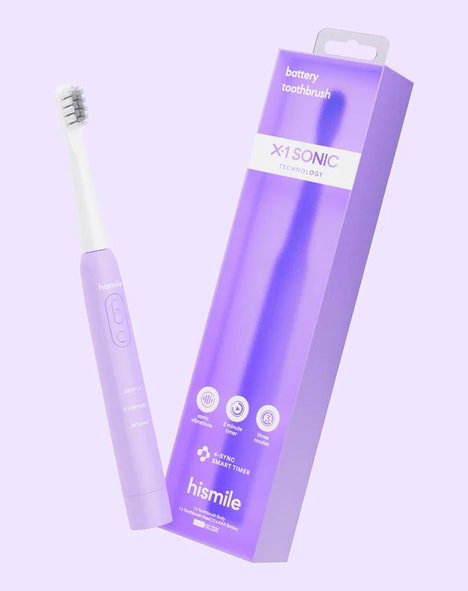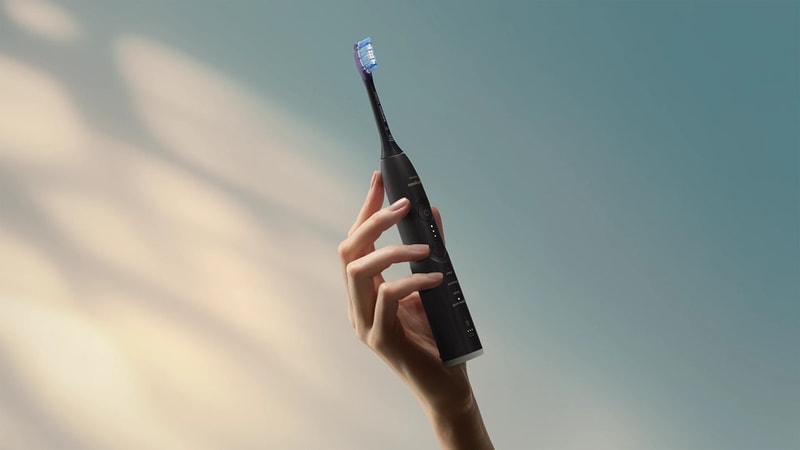
The Philips Sonicare Series 7100 rechargeable toothbrush uses Next Generation Sonicare Technology to deliver up to 62,000 bristle movements per minute, with a visual pressure sensor that lights up to alert users when they are brushing too hard. This oral care innovation boasts four brush modes, three intensity settings — including low for sensitive teeth and gums — nd comes with the G3 Gum Health brush head whose bristle layout keeps the gum line brushed even while focusing on the teeth.
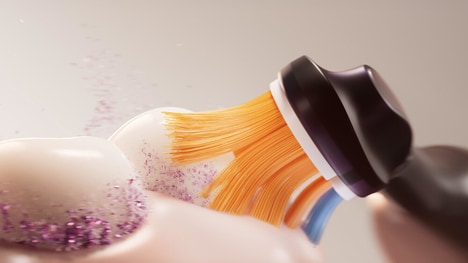
The Sonicare technology drives fluid deep between teeth and along the gum line, cleaning areas that bristles cannot physically reach, while the motor automatically adjusts power to maintain consistent performance even when brushing harder to reach areas like the back molars. Philips maintains that by using the Philips Sonicare Series 7100 rechargeable toothbrush, individuals gain up to 600% healthier gums in two weeks and up to 1,000% more plaque removal compared to a manual toothbrush.
Image Credit: Philips
Why This Trend Is Growing
- Smart Pressure-sensing Oral Care
- Integrated visual and haptic feedback in brushes that monitor user force opens avenues for devices that reduce gum damage through real-time biomechanical awareness.
- Adaptive Sonic Cleaning
- High-frequency fluid dynamics that drive cleaning beyond bristle reach enable devices optimized for interdental and subgingival plaque disruption without increased abrasion.
- Personalized Multi-mode Brushing
- Configurable modes and intensity settings tied to sensitivity profiles create potential for individualized oral-care regimens driven by user physiology and preference.
Industries Being Reshaped
- Oral Healthcare Devices
- Evolving brush motors, head designs, and sensing systems present scope for next-gen medicalized toothbrushes positioned between consumer goods and clinical tools.
- Consumer Electronics
- Miniaturized sensors, smart feedback interfaces, and battery tech convergence point toward toothbrushes becoming connected lifestyle peripherals within home ecosystems.
- Dental Data Services
- Aggregated brushing metrics and sensor-derived oral health indicators suggest business models around analytics, remote monitoring, and preventive-care insights for clinicians and insurers.