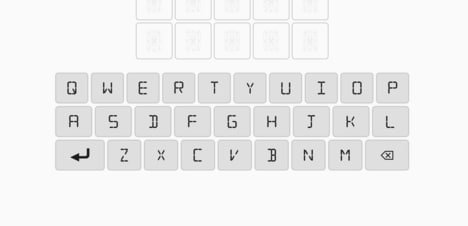
Parseword is a new daily puzzle game created by Josh Wardle, the designer of Wordle, featuring mechanics drawn from cryptic crosswords that require players to swap, remove, reverse or combine words to reach a solution. The release was developed with collaborators Chris Dary and Matt Lee and used clue permission from cryptic constructors Emily Cox and Henry Rathvon, with an in-game tutorial and optional hints to guide new players.
The game leans on layered wordplay—synonyms, homophones and letter manipulations—so puzzles demand more lateral thinking than Wardle's prior hit. That design makes Parseword a niche follow-up that rewards solvers who enjoy New Yorker-style cryptics, offering a daily mental stretch and extending the trend of single-puzzle-a-day experiences that blend casual play with deeper linguistic challenge.
Image Credit: Parseword
Key Themes Behind This Trend
- Layered Wordplay Gaming
- A shift toward multi-layered linguistic mechanics that blends synonyms, homophones and letter manipulation creates room for games that reward lateral thinking over rote pattern recognition.
- Hybrid Casual-deep Puzzle Format
- Single-daily-play experiences that pair accessible tutorials with deeper challenge suggest a market for titles that offer both mass reach and long-term niche engagement.
- Collaborative Cryptic Licensing
- Partnerships with established crossword constructors signal a model where curated clue permissions and creator credits can differentiate mainstream word games.
Where This Applies
- Mobile Gaming
- Smartphone-first delivery of short-form daily puzzles opens possibilities for premium microtransaction models tied to hint systems and bespoke puzzle packs.
- Edtech Language Learning
- Games with layered linguistic challenges present pathways for vocabulary and critical-thinking tools that simulate real-world language puzzles.
- Digital Publishing
- Integration of cryptic-style content into subscription platforms indicates new content verticals where editorial puzzle expertise becomes a monetizable asset.