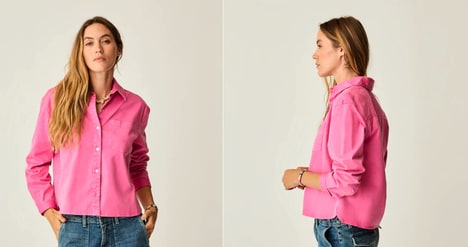
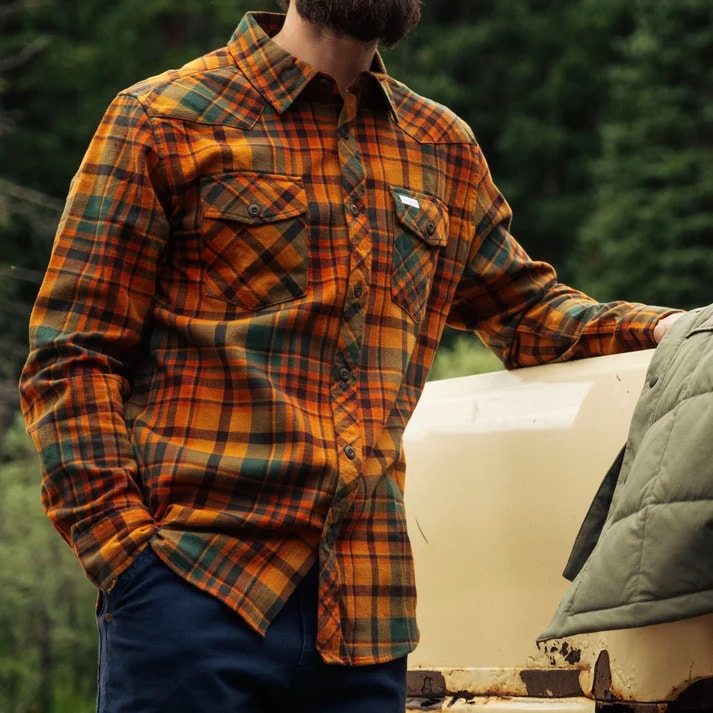
Topo Designs introduced the Mountain Shirt, a long-sleeve shirt crafted from 100% organic cotton flannel, designed to bridge western heritage and everyday wear, with a relaxed fit and 5 oz midweight twill. The piece was presented as a versatile shirt that layers easily under jackets or over tees, intended for both trail use and urban styling.
Details note its camp-ready aesthetic and downtown-friendly cut, with construction focused on durable, natural fibers and simple, practical proportions. For consumers, the Mountain Shirt blends sustainability and utility, offering a comfortable midweight option that supports layered dressing across seasons.
Its roots-forward styling taps the ongoing trend for heritage workwear reinterpreted for city life, giving buyers a single shirt that reads equally rugged and refined.
Image Credit: Topo Designs
What's Driving This Trend
- Sustainable Heritage Workwear
- A resurgence of heritage silhouettes made from organic and durable materials highlights demand for garments that convey authenticity while reducing environmental impact.
- Layered Urban Outdoor
- Cross-context pieces that function equally on trails and in city settings point to a market for versatile midweight garments optimized for transitional weather.
- Organic Midweight Flannels
- Midweight flannel shirts produced from certified organic cotton reveal opportunities for premium basics that balance comfort, performance, and traceable supply chains.
Who This Affects Most
- Apparel and Retail
- Retailers focused on curated, multipurpose wardrobes could capitalize on consumer preference for fewer, higher-quality pieces that bridge style and utility.
- Outdoor Gear
- Equipment brands expanding into everyday apparel suggest potential to integrate technical fabrics and sustainable materials into lifestyle collections.
- Textile Manufacturing
- Fiber and fabric producers investing in organic inputs and midweight twills may enable supply chains that support traceability and lower-impact production.