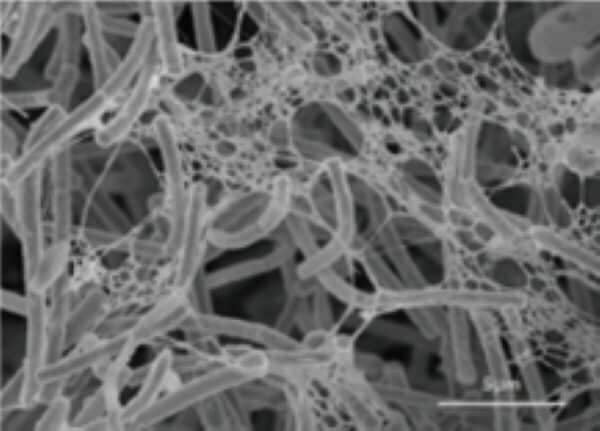
Meiji Holdings Co., Ltd., in collaboration with Saitama Medical University, has announced study results demonstrating that people living with non-small cell lung cancer who consumed yogurt containing an exopolysaccharide produced by Lactobacillus delbrueckii subsp. Bulgaricus OLL1073R–1, also known as R-1 EPS — while receiving immune checkpoint inhibitor therapy, showed a tendency toward higher objective response rates and disease control rates compared to historical controls.
The research was presented at the American Association for Cancer Research Annual Meeting 2026. It found that levels of Th7R immune cells, which are considered a key factor correlated with immunotherapy efficacy, were maintained at higher levels in the blood of patients who consumed the yogurt, and among nine patients receiving neoadjuvant treatment, including nivolumab, a 100% response rate was observed compared to a historical control rate of 68%.
Image Credit: Meiji Holdings Co., Ltd.
What Makes This Trend Stand Out
- Microbiome-augmented Immunotherapy
- Integration of targeted probiotic strains with checkpoint inhibitors shows potential to improve response rates in cancer patients by modulating systemic immune cell populations.
- Functional-foods for Oncology
- Fortified yogurts and therapeutic dairy products demonstrate potential to become adjunctive care modalities by delivering bioactive exopolysaccharides during cancer treatment.
- Clinical-grade Probiotic Strains
- Standardized, clinically validated probiotic strains with measurable immunomodulatory effects could redefine regulatory pathways and product development for medical nutrition.
Sectors Adopting This
- Pharmaceuticals and Oncology
- Biopharma developers can explore combining immunotherapies with microbiome-targeting biologics to enhance efficacy and create new combination therapy portfolios.
- Food and Beverage
- Specialized food manufacturers have an opportunity to develop clinically tested products positioned as supportive medical nutrition for patients undergoing immunotherapy.
- Diagnostic and Biomarker Services
- Companies offering immune profiling and microbiome assays may see demand for companion diagnostics that predict and monitor probiotic-mediated changes in treatment response.