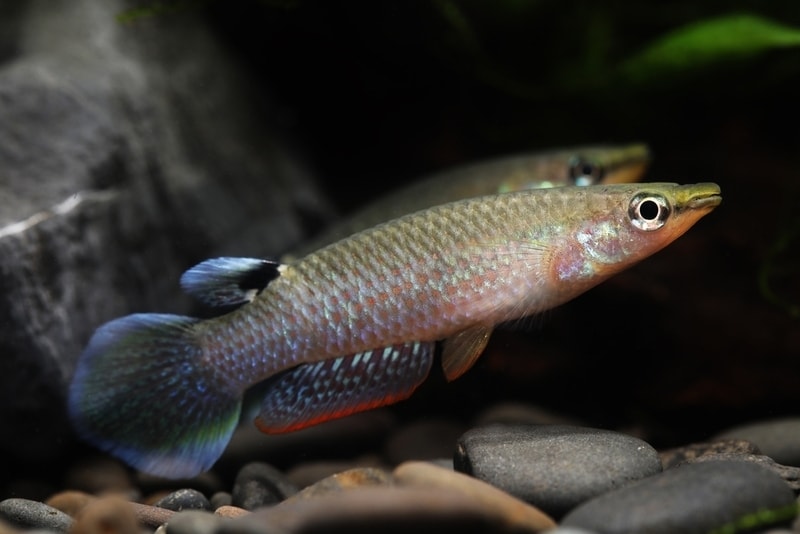
MDI Biological Laboratory led an international research team that used the African turquoise killifish to study how kidneys age, featuring a full vertebrate lifespan compressed into just a few months. Published in Kidney International in January 2026, the work examined how this fast-aging fish accumulates vascular loss, filtration damage, inflammation, and metabolic disruption that parallel human kidney aging. The model offered a rare, rapid view of long-term organ decline without waiting decades.
After validating the killifish as an aging platform, the scientists tested sodium-glucose cotransporter-2 (SGLT2) inhibitors, a drug class widely prescribed for diabetes-related heart and kidney disease. Treated fish retained denser capillary networks, stronger filtration structures, and more stable mitochondrial energy production. Gene activity in these animals resembled that of younger kidneys, including lower inflammatory signaling and preserved communication between different kidney cell types.
For consumers and clinicians, this work matters because it clarifies how SGLT2 inhibitors protect kidneys and hearts beyond blood sugar control, grounding their benefits in vascular and metabolic resilience.
Image Credit: Shutterstock / Pavaphon Supanantananont
Key Themes Behind This Trend
- Accelerated Vertebrate Aging Models
- Utilizing fast-aging species like the African turquoise killifish provides a compressed view of organ decline, enabling quicker insights into age-related diseases and potential treatments.
- Drug Repurposing for Aging
- Exploring existing medications, such as SGLT2 inhibitors, through innovative models like the killifish, opens avenues for discovering additional therapeutic benefits beyond their primary medical use.
- Genomic Insights Into Kidney Aging
- The study of gene activity changes in aging models reveals potential biomarkers and molecular targets that could lead to new interventions in slowing down aging-related organ decline.
Where This Applies
- Pharmaceutical Research
- Leveraging innovative animal models to test drug efficacy and repurposing could revolutionize the development and application of pharmaceuticals for age-related conditions.
- Biogerontology
- Rapid-aging models provide unprecedented opportunities for the study of biological aging processes, offering insights that could extend the scope and speed of biogerontological research.
- Precision Medicine
- Advancements in understanding genetic and metabolic pathways in novel aging models can contribute to the customization of treatment strategies, enhancing the efficacy and scope of personalized healthcare solutions.