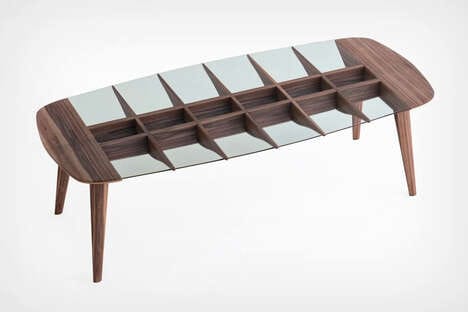
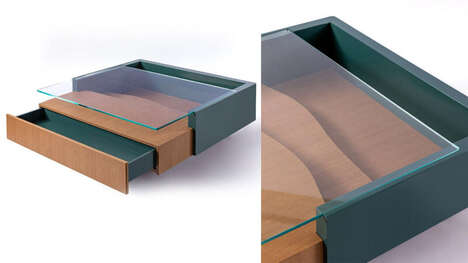
The Holland table holds a little surprise for the owner. Although it may look like a typical wooden table, underneath lies a hidden city -- Holland, to be exact.
Designed by Joost Wever, the Holland table is the direct result of using leftover pieces accumulated throughout the creation process. Instead of gluing them on haphazardly, however, Wever created a landscape that makes this table extra special. Overall, the table itself is magnificent even without its unique underbelly.
What Makes This Trend Stand Out
- Upcycled Furniture
- Creating furniture from leftover materials presents opportunities for unique and sustainable designs.
- Hidden Features
- Adding hidden elements to furniture offers a sense of surprise and intrigue.
- Interactive Design
- Designing furniture with interactive elements provides users with engaging and immersive experiences.
Sectors Adopting This
- Furniture Manufacturing
- Furniture manufacturers can explore upcycling techniques to create innovative and eco-friendly designs.
- Interior Design
- Interior designers can incorporate furniture with hidden features to add a touch of mystery and novelty to spaces.
- Interactive Home Decor
- The interactive design trend can be applied to other home decor products, such as lighting fixtures and wall art, to create interactive and immersive experiences.