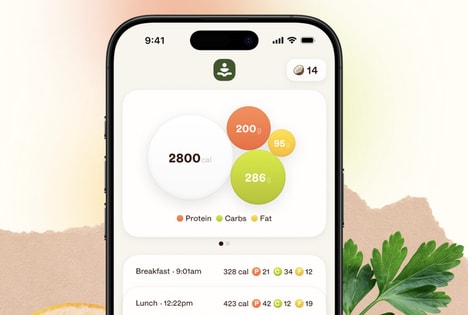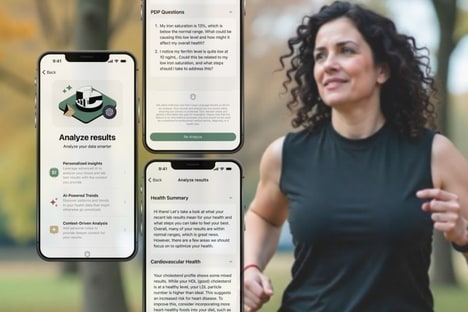
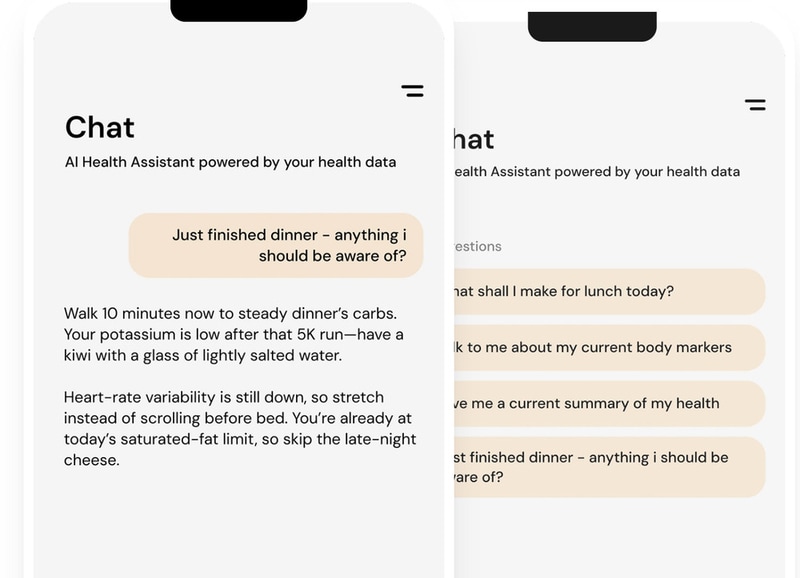
Helsa Health is a digital metabolic health platform designed to provide personalized guidance through continuous tracking and AI-driven analysis. The system integrates multiple health inputs, including diet, sleep, stress levels, physical activity, body metrics, and blood markers, to generate individualized recommendations.
Its approach reflects a growing trend toward preventative and data-informed healthcare, where users actively monitor lifestyle factors linked to long-term conditions such as prediabetes and obesity. By consolidating diverse health indicators into a single interface, Helsa Health aims to simplify complex wellness management for everyday users. From a business perspective, platforms like this illustrate the expanding role of AI in personalized healthcare, shifting services from reactive treatment toward proactive health optimization. The model also highlights increasing demand for scalable digital coaching solutions that support ongoing behavioral change outside traditional clinical environments.
Image Credit: Helsa Health
What Makes This Trend Stand Out
- AI-powered Personalized Metabolic Guidance
- The fusion of AI with individual metabolic data enables hyper-personalized recommendations that could replace one-size-fits-all dietary and lifestyle advice.
- Continuous Multimodal Health Tracking
- By aggregating diet, sleep, stress, activity, body metrics, and biomarkers into continuous feeds, platforms are poised to create real-time health profiles that outpace episodic clinical measurements.
- Preventative Data-informed Healthcare
- A shift toward preventative models driven by longitudinal data suggests a move away from reactive treatment toward early risk detection and long-term condition mitigation.
Sectors Adopting This
- Digital Health Coaching
- Scalable AI coaches that deliver ongoing behavioral support outside clinical settings present opportunities to displace traditional in-person coaching and extend care reach.
- Wearable and Sensor Manufacturers
- Demand for integrated, multimodal sensors that feed continuous, clinically relevant data into platforms could drive the development of new device categories and tighter hardware-software ecosystems.
- Insurance and Employee Wellness
- Payers and employers could leverage aggregated metabolic and behavioral data to underwrite preventive programs and reimagine incentive models based on sustained health outcomes.