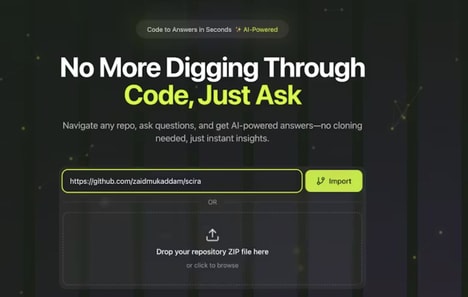
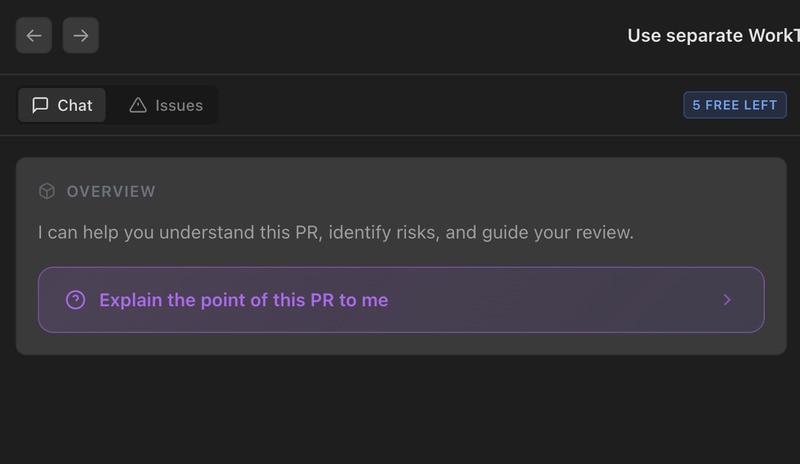
Haystack is an AI-native platform designed to improve how software teams review pull requests. Rather than presenting code changes as disconnected file diffs, the platform organizes updates into a narrative flow that reflects how the code functions as a whole.
This approach helps reviewers build an accurate mental model of changes more efficiently. Haystack prioritizes critical logic and functional changes, while deferring refactors and boilerplate code, allowing reviewers to focus on what matters most. It also provides tools to trace variables and function calls across files with minimal effort, reducing context switching during reviews. For engineering teams, Haystack aims to reduce review time, improve code comprehension, and support higher-quality feedback. The platform illustrates how AI can be applied to streamline complex development workflows and improve productivity in collaborative software environments.
Image Credit: Haystack
Key Themes Behind This Trend
- AI-narrative Code Reviews
- AI-generated narratives that present PRs as cohesive functional stories reduce reviewer cognitive load and create room for tools that synthesize intent and impact across commits.
- Contextual Code Tracing
- Cross-file variable and call tracing that minimizes context switching surfaces deeper functional relationships and enables richer automated reasoning about runtime behavior.
- Prioritized Change Surfacing
- Filtering out refactors and boilerplate to highlight critical logic shifts shifts reviewer attention toward high-risk changes, paving the way for risk-scored review workflows.
Where This Applies
- Software Development Tools
- Code editor and review vendors are positioned to incorporate semantic summarization and narrative views that transform static diffs into decision-ready information for engineers.
- Devops and CI/CD
- CI/CD platforms that integrate AI-driven review signals can improve pipeline efficiency by correlating test and deployment risk with semantically prioritized code changes.
- Enterprise Collaboration Platforms
- Collaboration suites that embed contextual PR narratives and traceability can enhance asynchronous engineering communication by aligning discussion with functional impact.