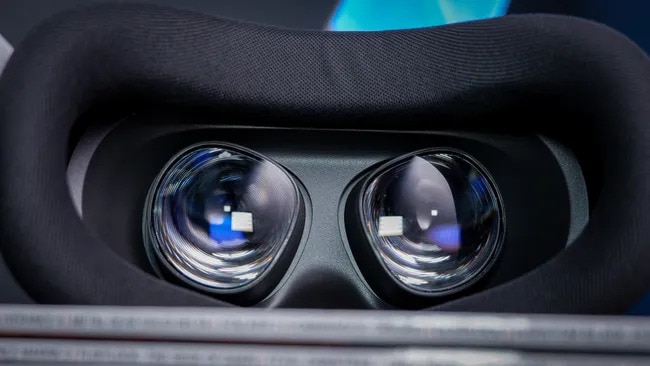
Meta introduced FrameSync, a new frame timing technique for Horizon OS that aims to reduce stale frames and improve responsiveness in Quest headsets, featuring a different prediction and pacing approach than the older PhaseSync. The rollout made FrameSync the default for Horizon Store apps with v203 while developers could experiment on v201 and opt out if needed.
FrameSync stabilizes frame pacing to deliver smoother motion and often higher frame rates, cuts down on long runs of stale frames that cause noticeable judder, and lowers motion-to-photon latency so head movements map to visuals more quickly.
The system may raise CPU/GPU utilization slightly, which could affect battery life and thermals depending on workload. For consumers, FrameSync promises a more comfortable VR experience by reducing motion-triggered discomfort and enabling richer, more demanding apps without as much visible hitching.
Image Credit: Meta
What Makes This Trend Stand Out
- Predictive Frame Pacing
- Refined prediction and pacing methods create potential for systems that minimize stale frames while enabling higher sustained frame rates.
- Thermal-aware Rendering
- By exposing increased CPU/GPU utilization trade-offs, there is room for rendering pipelines that balance performance and heat to preserve battery life and device comfort.
- Adaptive Latency Reduction
- Lowered motion-to-photon latency points toward techniques that dynamically adjust processing to prioritize responsiveness during rapid head movements.
Sectors Adopting This
- VR Gaming
- Smoother motion and reduced judder enable more immersive, fast-action titles that depend on consistent high frame rates for player comfort and competitive play.
- Enterprise VR Training
- Improved responsiveness and lower motion-triggered discomfort support training simulations where fidelity and prolonged use are critical for learning outcomes.
- Mobile Soc Manufacturers
- Shifts in frame timing strategies highlight opportunities for chip designs that optimize for sustained GPU loads, thermal management, and efficient prediction algorithms.