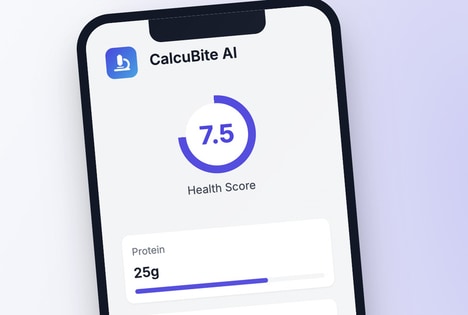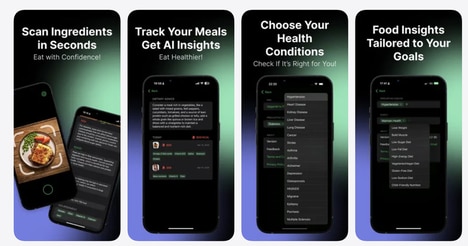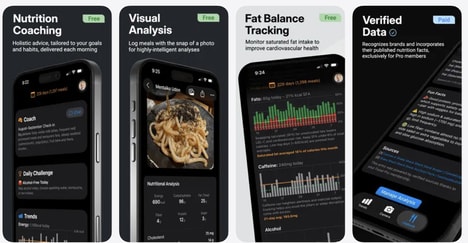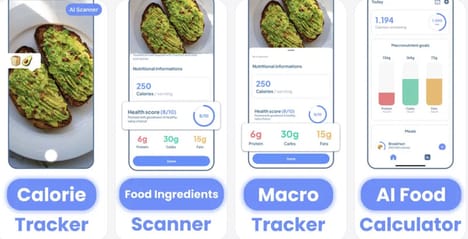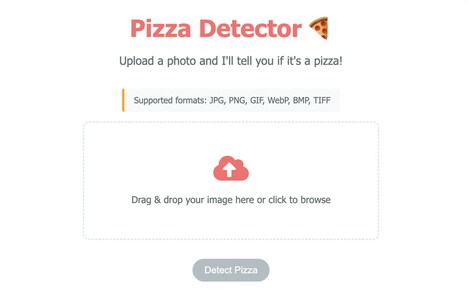

Foodie is an AI-powered food recognition API designed to provide developers and food tech platforms with structured data on meals, ingredients, and nutritional content. It operates as a RESTful API, allowing seamless integration into applications, websites, or services that require automated food analysis.
The platform can identify various dishes, detect ingredients, and offer nutritional estimates, making it useful for apps focused on diet tracking, meal planning, or food recommendation systems. By delivering precise, programmatically accessible data, Foodie supports developers in building solutions that require accurate food intelligence without manual input. Its utility extends to startups and businesses in the food and health sectors seeking to enhance their applications with real-time recognition and data capabilities, providing a scalable method for integrating AI-driven insights into digital products.
Image Credit: Foodie
What's Driving This Trend
- Automated Nutritional Assessment
- Enables scalable, image-based calorie and macronutrient estimation that can replace manual food logging with standardized data outputs.
- Ingredient-level Computer Vision
- The capacity to identify individual ingredients and preparation methods from photos creates granular ingredient datasets useful for allergy detection and supply-chain mapping.
- Real-time Meal Personalization
- Facilitates instantaneous matching of recognized meals to user-specific dietary profiles and preferences for highly contextualized eating experiences.
Who This Affects Most
- Health and Wellness Apps
- Detailed, automated food intelligence allows apps to provide more precise diet tracking, adherence monitoring, and outcome measurement without manual entry.
- Food Delivery and Restaurants
- Structured dish and ingredient data enables dynamic menu labeling, tailored recommendations, and improved transparency around allergens and nutrition for diners.
- Insurance and Clinical Nutrition
- Objective meal-level data can serve as verifiable inputs for dietary risk assessment, claims underwriting, and evidence-based nutrition interventions.