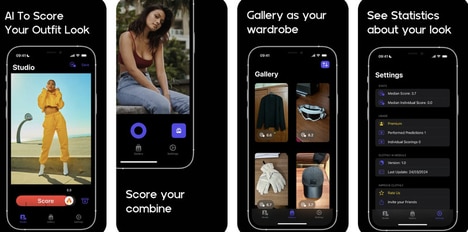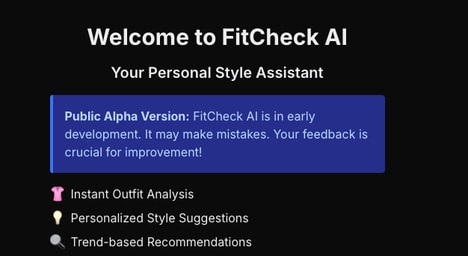
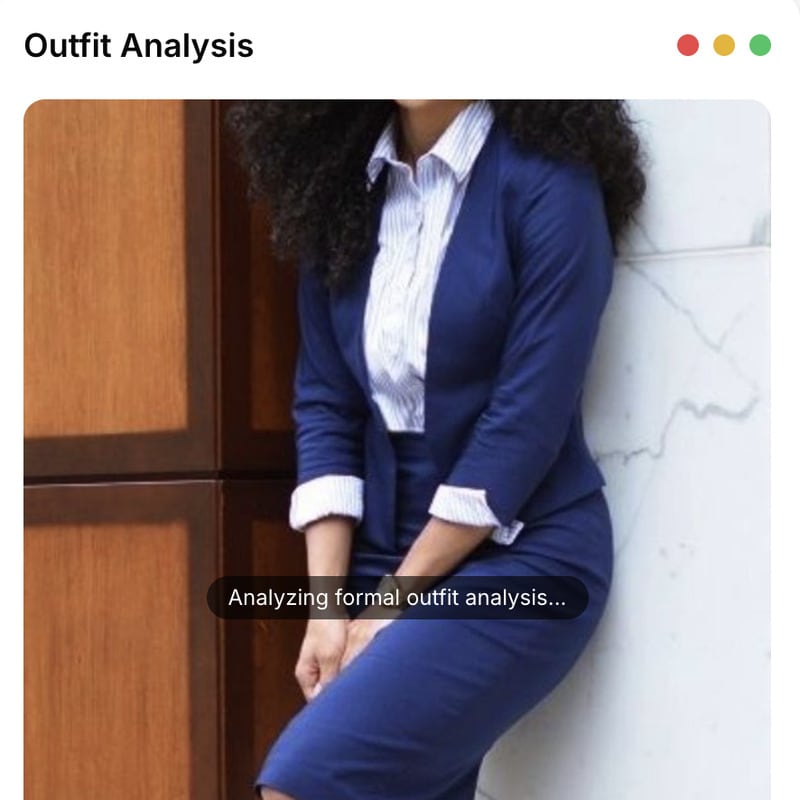
FitCheckLab is a fashion-focused application designed to help users evaluate outfits, manage clothing items, and receive AI-driven styling insights. The platform allows individuals to catalog their wardrobe digitally, creating a structured view of what they own and how items can be combined.
Using artificial intelligence, FitCheckLab analyzes outfit choices and provides recommendations based on factors such as color coordination, fit, and overall style balance. From a business and productivity perspective, the app supports more intentional decision-making by reducing time spent planning outfits and minimizing redundant purchases. It can also surface usage patterns, helping users understand which items are worn most or underutilized. By combining wardrobe organization with automated style analysis, FitCheckLab positions itself as a practical tool for personal styling efficiency and data-informed fashion choices rather than a traditional retail or trend-driven platform.
Image Credit: FitCheckLab
What Makes This Trend Stand Out
- Personal Wardrobe Digitization
- A centralized digital inventory of individual clothing items enables granular visibility into ownership, usage frequency, and outfit combinations that can redefine customer relationships and inventory flows.
- AI-driven Outfit Assessment
- Automated analysis of color, fit, and style balance by machine learning models produces objective outfit evaluations that can shift decision-making from intuition to data-informed recommendations.
- Usage-based Sustainable Wardrobe
- Insights about underutilized garments and wear patterns create opportunities to extend product lifecycles and reduce redundant consumption through targeted reuse or rental models.
Sectors Adopting This
- Retail Fashion
- Detailed consumer wardrobe data offers a new lens for assortments, personalized marketing, and demand forecasting that could disrupt traditional buying and supply chain cycles.
- Personal Styling Services
- Digital catalogs combined with algorithmic styling suggestions change the value proposition of stylists by enabling hybrid human-AI advisory experiences and scalable personalization.
- Data Analytics for Apparel
- Aggregated anonymized wardrobe and outfit data can surface macro trends and lifecycle metrics that inform product development, sustainability reporting, and circular-economy platforms.