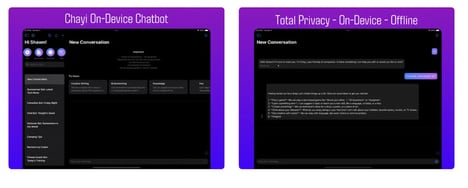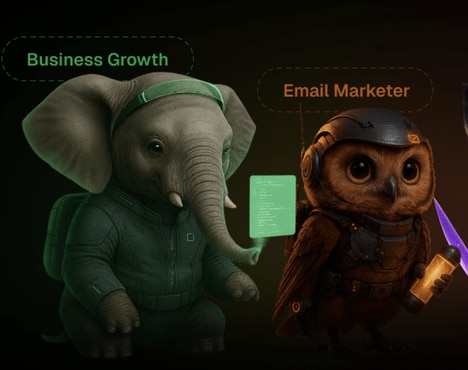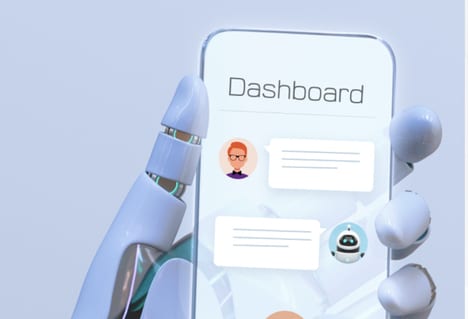

Falco-AI is a hybrid artificial intelligence assistant designed for both online and offline use cases. It is built on the Phi-3 language model developed by Microsoft and is positioned for general-purpose and professional applications. The system is designed to operate across standard PC environments, with functionality that continues even without an active internet connection. This offline capability distinguishes it from many cloud-dependent AI tools.
It is typically used for tasks such as text generation, assistance, and basic productivity support in both personal and professional contexts. The platform emphasizes accessibility, security, and speed as core design principles. By combining local execution with online capabilities, it aims to provide flexibility in environments with varying connectivity conditions. Falco-AI reflects a move toward lightweight, locally deployable AI systems that reduce reliance on continuous cloud access while maintaining core generative and assistive capabilities across different usage scenarios.
Image Credit: Falco-AI
What's Driving This Trend
- Hybrid AI Assistants
- Combining local inference with cloud augmentation enables consistent AI functionality across variable connectivity, unlocking new product designs that blend on-device privacy with scalable remote compute.
- Offline-first Models
- Models optimized for local deployment reduce latency and data egress, creating possibilities for AI services that operate autonomously in privacy-sensitive or bandwidth-constrained settings.
- Edge-based Generative AI
- Running generative workloads on standard PC and edge hardware permits real-time content creation near the user, shifting value from centralized cloud pipelines to distributed compute endpoints.
Who This Affects Most
- Enterprise Productivity Software
- Local-capable assistants can transform workplace tools by providing secure, fast drafting and summarization features that function without continuous cloud access.
- Healthcare It
- On-device AI support offers clinicians immediate, privacy-preserving access to documentation and decision aids in environments where patient data cannot leave the premises.
- Defense and Emergency Services
- Resilient offline AI capabilities enable mission-critical communications and situational analysis in disconnected or contested networks, altering how field operations are supported.