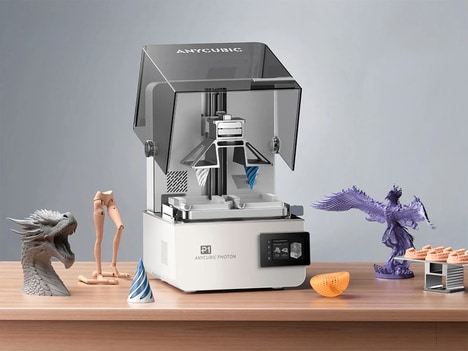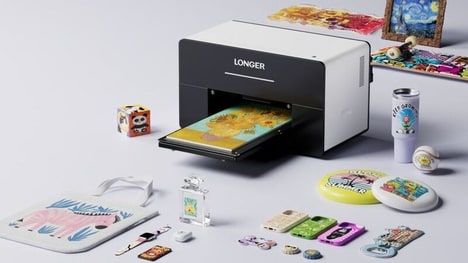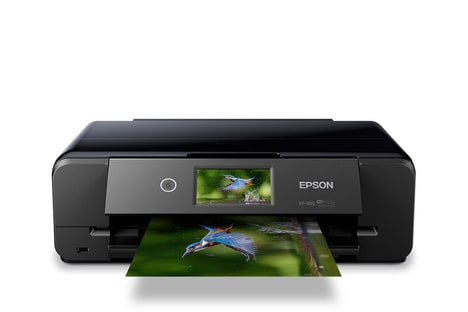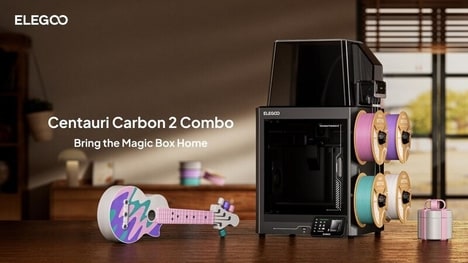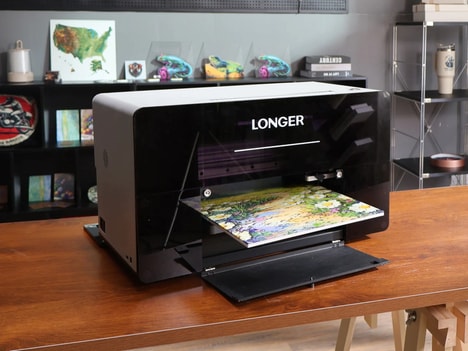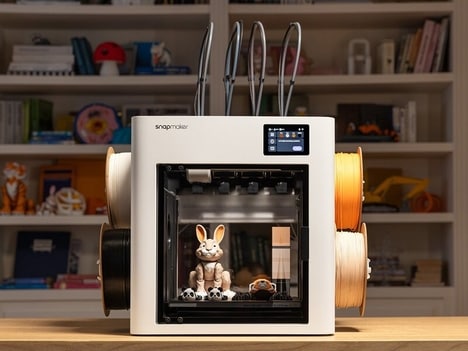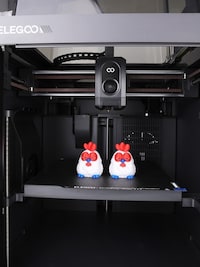
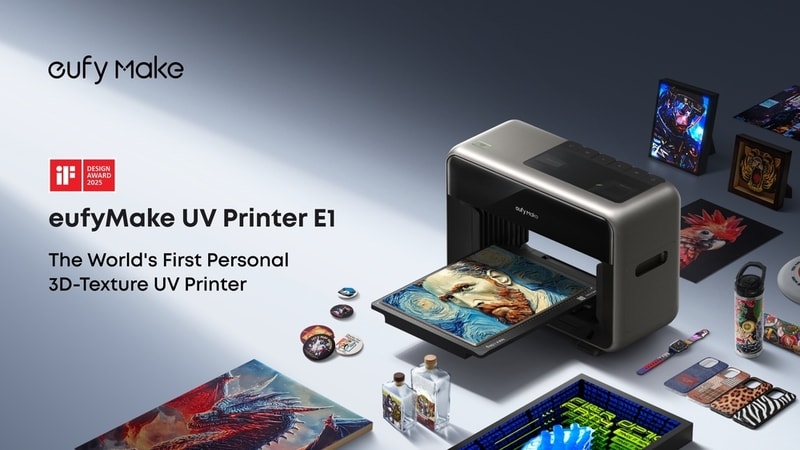
eufyMake’s desktop production devices, led by the UV Printer E1, signal a shift toward bringing professional-grade manufacturing capabilities into homes and small studios. By combining compact design with features like 3D texture printing, AI-assisted workflows, and modular attachments, the device allows creators and small businesses to produce customized products without relying on large-scale industrial equipment. This lowers the barrier to entry for product creation and enables faster, more flexible experimentation.
This shift has meaningful implications for the creator economy and small-scale entrepreneurship. Individuals can move from idea to finished product more efficiently, reducing costs tied to outsourcing and inventory. It also allows businesses to respond quickly to trends with on-demand production and personalization. As tools like this become more accessible, manufacturing may become increasingly decentralized, empowering independent creators while challenging traditional production and supply chain models.
Image Credit: eufyMake
Why This Trend Is Growing
- Desktop UV and 3D Texture Printing
- Compact UV printers with 3D texture capabilities enable high-fidelity, on-demand personalization of small objects, reducing reliance on external finishing services.
- AI-assisted Desktop Manufacturing
- AI-driven workflows for calibration, layout and error correction lower the technical barrier for nonexperts to produce consistent, professional-quality outputs at home.
- Modular At-home Production Systems
- Interchangeable attachments and modular device architectures support rapid reconfiguration of a single desktop unit to handle diverse materials and product types.
Industries Being Reshaped
- Creator Economy
- Independent makers and microbrands can realize faster prototype-to-product cycles and offer limited-run, hyper-personalized merchandise without mass-manufacturing overhead.
- Custom Apparel and Accessories
- Small studios and bespoke retailers are positioned to integrate on-demand printed textures and graphics into garments and accessories, shrinking sample lead times.
- Supply Chain and Fulfillment
- Decentralized desktop production has the potential to shift inventory models toward distributed, localized manufacturing and reduce dependence on centralized warehousing.