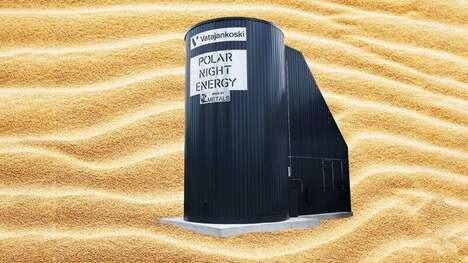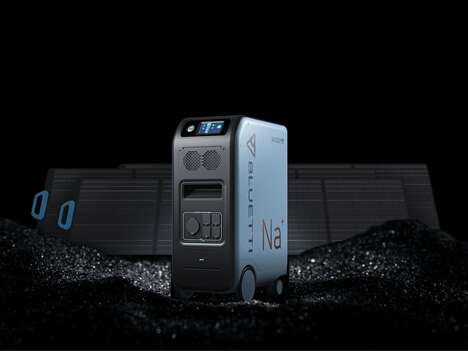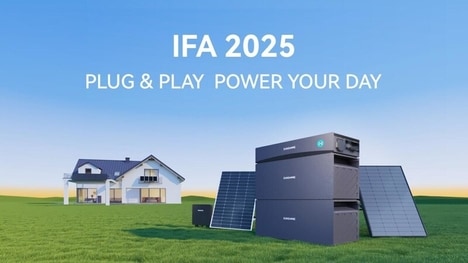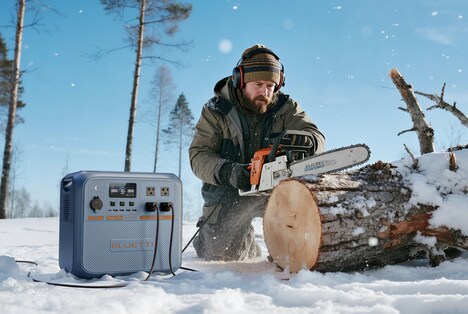
A new ceramic material dubbed NaSICON (sodium - Na - super ion conductor) may make widly distributed, home-based battery power storage charged by solar and wind power possible. Ceramatec, the R&D arm of CoorsTek, based in Salt Lake City, Utah, has made a massive breakthrough in deep-cycle storage batteries.
The deep-cycle storage battery prototype is made of common materials, safely operates at room temperature, and can supply household power at about $0.025/kWh compared to the current average of $0.08/kWh for grid-tied power. The units should be available in 2015, sell for about $2K and last for 10 years.
Key Themes Behind This Trend
- Deep-cycle Storage Batteries
- Opportunity to develop and improve battery technology for home-based power storage systems.
- Sodium Battery Technology
- Opportunity to explore the use of sodium-based batteries as a more cost-effective alternative to current energy storage solutions.
- Renewable Energy Storage
- Opportunity to create innovative storage solutions to efficiently store and utilize renewable energy sources like solar and wind power.
Where This Applies
- Energy Storage
- Opportunity for companies to invest in developing and producing advanced energy storage systems for residential and commercial use.
- Renewable Energy
- Opportunity for companies in the renewable energy sector to enhance their offerings with improved storage solutions.
- Battery Manufacturing
- Opportunity for battery manufacturers to integrate new ceramic materials and technologies to create more efficient and affordable batteries.