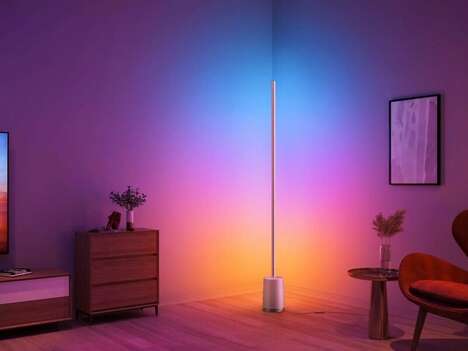
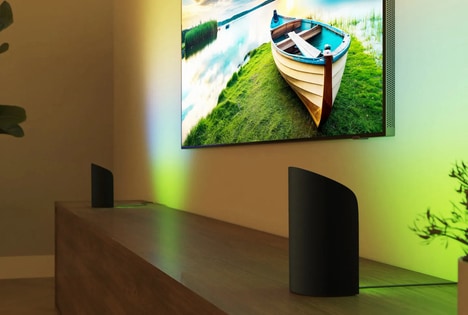
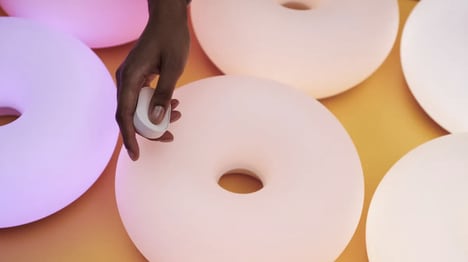
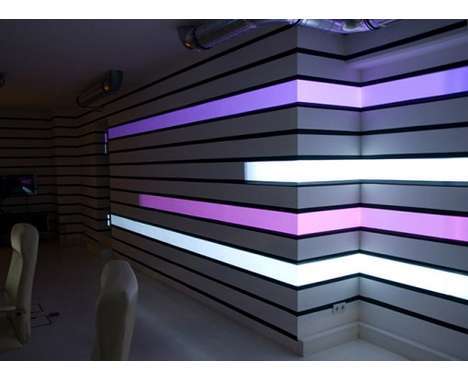
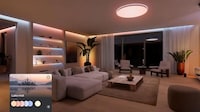
We are all familiar with the copy-and-paste function in word processors. But now, Philips wants to apply a similar idea to interior lighting. Philips reasons that creating a particular lighting effect is difficult because most people cannot measure the colour and quality of light they like, let alone reproduce it. While this may sound foolish and trivial on a personal-home level, the technology may be very useful for art and furniture show rooms, resturants and other establishments or shows where light plays an integral part.
Philips' solution is a light with an inbuilt sensor that can be pointed at a particular illuminated area to measure the intensity, color, hue and saturation. That information can be used to alter the output of a second lamp to reproduce the same lighting effect elsewhere. The system also utilizes a database so that settings can be saved for later use.
See some other new break-through light technologies by Philips:
Key Themes Behind This Trend
- Copy-and-paste Lighting
- New technology allows users to reproduce a desired lighting effect by measuring intensity, color, hue, and saturation.
- Smart Lighting Sensors
- In-built sensors in lighting systems can be used to create personalized lighting experiences.
- Data-driven Lighting
- New lighting technologies utilize databases to save and reproduce specific settings.
Where This Applies
- Interior Design
- Copy-and-paste lighting technology can revolutionize the way lighting is used in interior design.
- Art Exhibitions
- Smart lighting sensors can create personalized lighting experiences for art exhibitions and galleries.
- Hospitality Industry
- Copy-and-paste lighting technology can be useful for restaurants and other establishments where lighting plays an integral part of the customer experience.