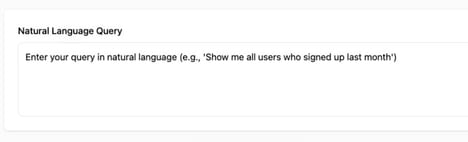
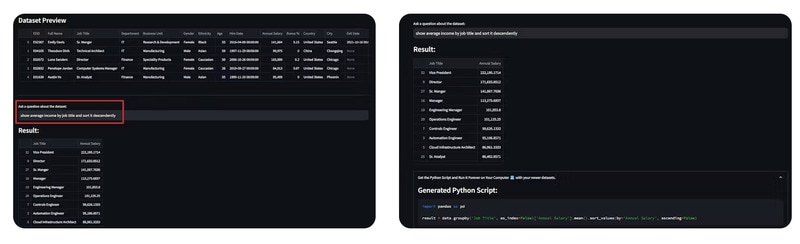
Ask Excel is a data analysis tool that bridges spreadsheets and Python through natural language queries. Users upload an Excel file, pose analytical questions, and receive structured results without writing code. Behind the scenes, the system translates questions into Python scripts that perform calculations, filtering, and aggregation.
Importantly, the generated code is visible, allowing teams to review, reuse, or adapt it within existing workflows. From a business perspective, this approach reduces dependency on specialized analysts for routine insights while maintaining transparency and auditability. It can support faster decision cycles by turning ad hoc questions into reproducible analyses. The tool also serves as a learning bridge, helping spreadsheet-heavy teams understand how Python-based analytics operate. Overall, it demonstrates how natural language interfaces can make advanced data workflows accessible for modern business teams.
Image Credit: Ask Excel
What's Driving This Trend
- Natural Language Query Interfaces
- The rising use of natural language processing in data tools is making sophisticated analyses attainable for users who lack coding skills.
- Code Transparency in Data Analysis
- Exposing the underlying code of data processes is reshaping collaborations, allowing teams to verify, modify, and improve analytical outcomes efficiently.
- Integration of Spreadsheets with Advanced Analytics
- Blending traditional spreadsheet tools with Python-based analytics is facilitating a seamless transition from basic to advanced data analysis for business professionals.
Who This Affects Most
- Business Intelligence Software
- The evolution of non-code data tools is transforming business intelligence platforms, making them more accessible and empowering more users to derive insights.
- Data Science and Analytics
- Incorporating conversational interfaces in analytics is democratizing data science, enabling wider engagement and innovation within organizations.
- Education and Training
- Bridging the gap between spreadsheet skills and programming through innovative tools presents new opportunities for educational programs focused on upskilling employees.