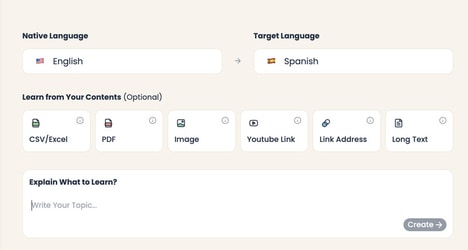

Articul8 introduced the LLM-IQ agent, a multi-tiered evaluation system designed to assess translation and language models, featuring qualitative metrics for cultural norms, fluency, coherence, consistency and clarity. The framework was rolled out in response to deployments in markets such as Japan and Korea, where literal translations produced technically correct but culturally inappropriate outputs.
LLM-IQ evaluates models across five dimensions and helped Articul8 identify widespread failures in cultural appropriateness among both open and closed models. The company described using a "Model Mesh" to orchestrate task-specific models alongside general-purpose ones, and it reported creating localized Japanese models rather than relying solely on large, English-skewed datasets.
For enterprises, LLM-IQ highlights risks of deploying untranslated or tone-insensitive AI in sensitive contexts, from customer interactions to industrial recommendations. By quantifying cultural fit, the tool supports safer, more locally appropriate AI deployments and underscores a broader trend toward regionalized, evaluation-driven model development.
Image Credit: Articul8
What's Driving This Trend
- Evaluation-driven Language Models
- Regional evaluation tools like LLM-IQ are disrupting the AI landscape by emphasizing the importance of assessing translations against cultural and contextual norms.
- Localized AI Model Development
- Developing country-specific AI models, as demonstrated by localized Japanese models, offers opportunities for more culturally attuned and relevant outputs.
- Cultural Sensitivity in AI Translations
- There is a growing trend towards ensuring AI translations respect cultural nuances, challenging the reliance on broad, English-centric datasets.
Who This Affects Most
- Artificial Intelligence
- As AI permeates global markets, innovations like LLM-IQ emerge to tailor technologies to diverse cultural contexts, enhancing acceptance and effectiveness.
- Language Services
- The rise of culturally aware translation assessments heralds potential disruption in traditional language services, fostering more accurate and context-specific communications.
- Software Localization
- Heightened emphasis on regionalized AI capabilities signals transformative shifts within software localization practices, pushing for cultural precision and user relevance.