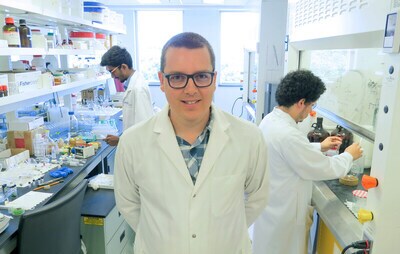
Wageningen University & Research scientists reconstructed long-extinct cannabis enzymes to reveal how the plant first began producing cannabinoids such as THC, CBD, and CBC. Using ancestral sequence reconstruction, the team revived these ancient biocatalysts in the lab, featuring enzyme variants that existed in early cannabis relatives millions of years ago. Their work experimentally traced how modern cannabinoid pathways emerged from more generalized chemical machinery.
The researchers showed that early enzymes were biochemical multitaskers, able to generate several cannabinoids at once before evolution split them into today’s specialized forms. These resurrected enzymes were expressed in microorganisms like yeast, where they proved more robust and easier to handle than their modern counterparts. One reconstructed enzyme displayed particularly strong specificity for CBC, a compound associated with anti-inflammatory and pain-relief properties.
For consumers and brands, this research signals a shift toward precisely engineered cannabinoid production and next-generation medical cannabis varieties. More stable, flexible ancestral enzymes can streamline biotech manufacturing and enable tailored cannabinoid profiles without relying solely on plant cultivation. This approach sets the groundwork for pharmaceutical-grade formulations and novel cannabis strains that emphasize lesser-known molecules like CBC, aligning with broader trends in precision wellness and evidence-based botanical therapeutics.
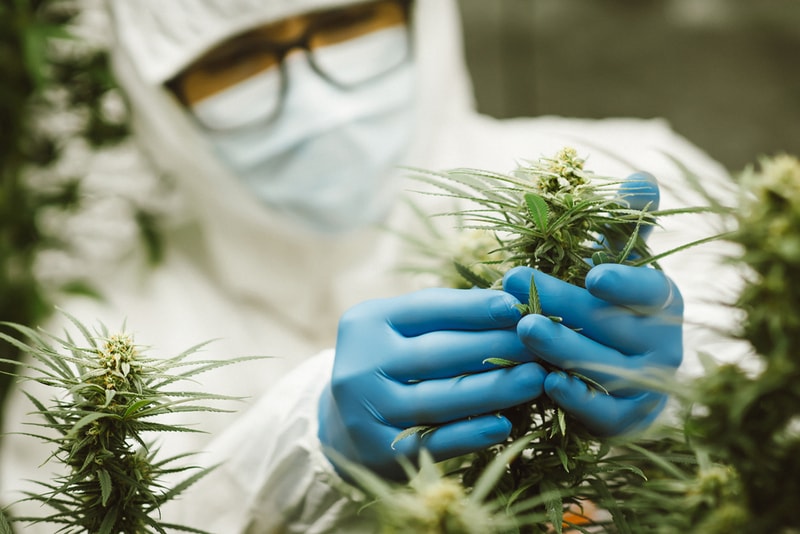
Image Credit: Feelimage / Shutterstock
What Makes This Trend Stand Out
- Precision-engineered Cannabinoids
- The use of resurrected ancient enzymes paves the way for the precise engineering of cannabinoid compositions, shifting focus from traditional cultivation to meticulous biochemical production.
- Biotech-manufactured Cannabis
- The development of robust ancestral enzymes allows for a more controlled and efficient biotech manufacturing process for cannabinoids, offering innovation beyond standard agricultural practices.
- Next-gen Cannabis Strains
- Reconstructed enzymes facilitate the creation of novel cannabis strains featuring tailored cannabinoid profiles, highlighting compounds like CBC and promoting a new era of medical cannabis.
Sectors Adopting This
- Pharmaceutical Biotech
- Harnessing ancient enzymes in the production of cannabinoids presents a disruptive shift in pharmaceutical biotech, offering an alternative to traditional plant-derived methods.
- Cannabis Research and Development
- Incorporating ancestral biocatalysts into modern cannabis cultivation reshapes research and development, focusing on precision and efficiency in strain innovation.
- Precision Medicine
- Tailored cannabinoid profiles developed through enzyme engineering align with the precision medicine industry, which seeks to provide more personalized therapeutic solutions.