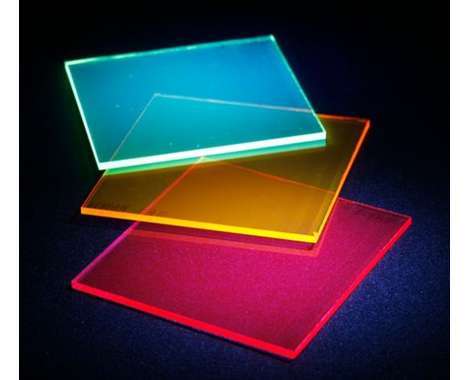
Motorola recently received a patent on a technology for combining an LCD screen and a solar cell on a wireless device. The conductive film on new solar cells is the same as the material used on new flat panel LCD televisions, enabling a convergence of sorts while potentially addressing the longstanding problem of cell phone battery life. The technology is not yet fully developed nor is it cost-effective for cell phone manufacturers, however, we may soon be able to charge our phones while soaking up the sun.
Key Themes Behind This Trend
- Solar-powered Wireless Devices
- Motorola's patent on combining LCD screens and solar cells opens up opportunities for developing solar-powered cell phones and other wireless devices.
- Convergence of Solar Technology and LCD Screens
- The convergence of solar technology and LCD screens presents an innovative solution to improve cell phone battery life and reduce reliance on conventional charging methods.
- Cost-effective Solar Cell Technology
- The development of cost-effective solar cell technology for cell phone manufacturing could revolutionize the mobile industry by offering sustainable and eco-friendly power sources.
Where This Applies
- Mobile Technology
- The mobile technology industry stands to benefit from the integration of solar cell technology into wireless devices, potentially enhancing battery life and reducing environmental impact.
- Renewable Energy
- The renewable energy industry can explore the application of solar cell technology beyond traditional solar panels, tapping into the booming market of wireless devices and enhancing their environmental sustainability.
- Consumer Electronics
- The consumer electronics industry can seize the opportunity to develop solar-powered devices, such as cell phones, that provide an eco-friendly and efficient alternative to conventional battery charging methods.