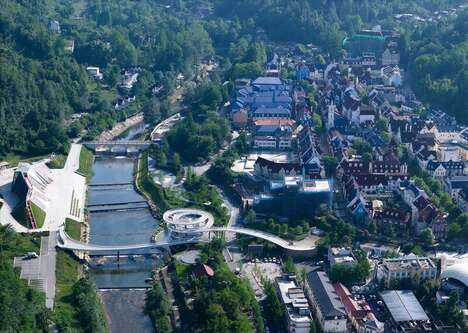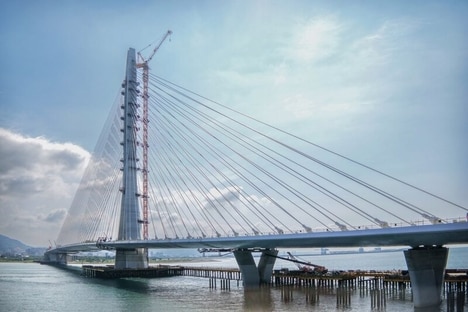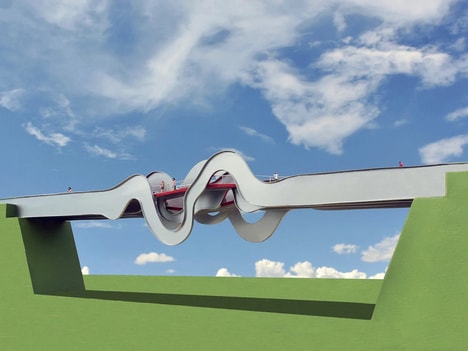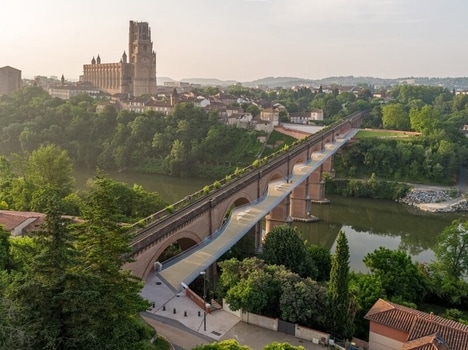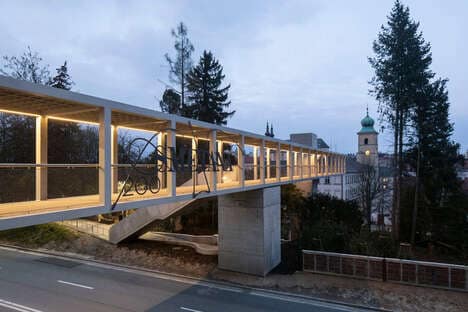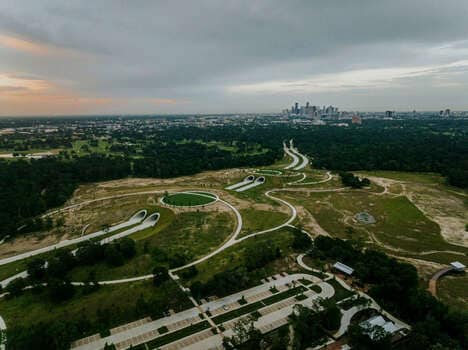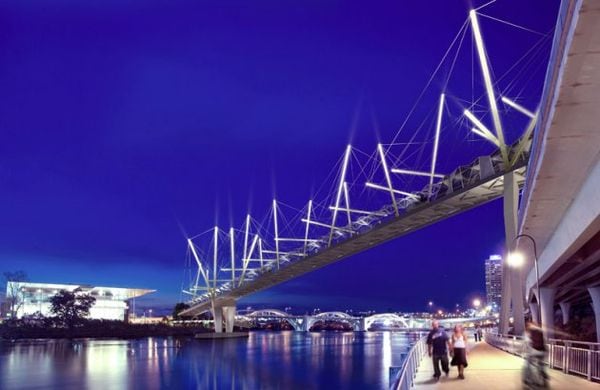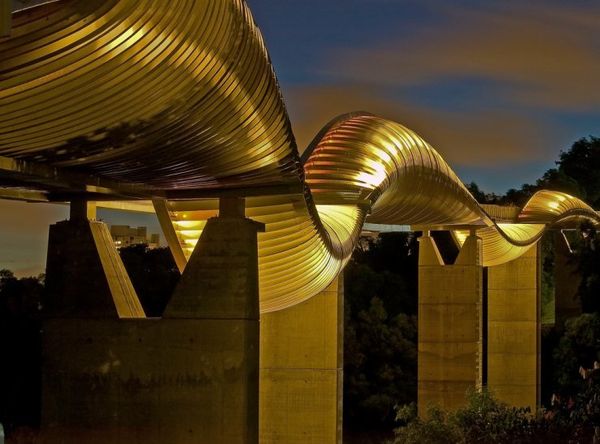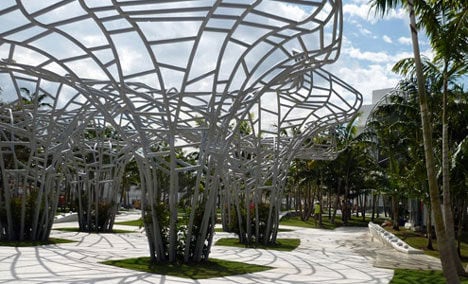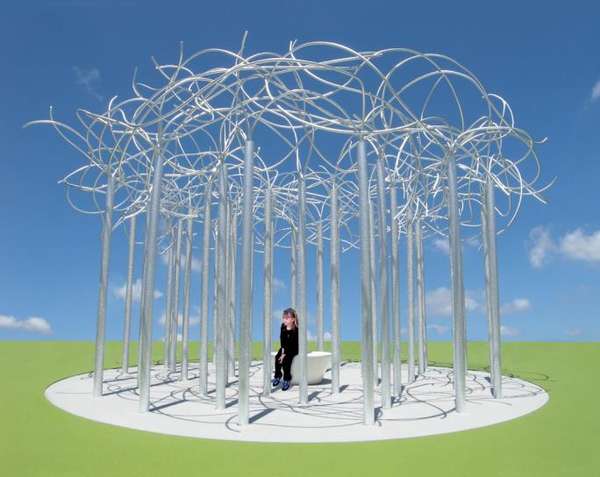
The network of pedestrian walkways that make up the Telok Blangah Hill Park bridge system in Singapore is awe-inspiring. Situated as high as 120 feet above the forest floor these suspended walkways allow visitors a breathtaking bird's eye view of a stunning park.
The Telok Blangah Hill Park bridge system was designed to be delicate and yet sturdy enough to allow visitors a unique experience without disturbing the park's natural ecosystem. The intricate pathways are almost as stunning as the jungle that surrounds them. This elevated forest walkway is a true marvel of engineering, architecture and eco-appreciation.
What's Driving This Trend
- Elevated Pedestrian Walkways
- Designing and building pedestrian walkways at higher elevations provides a unique experience and minimizes disturbance to ecosystems below.
- Nature-inspired Architecture
- Designing structures and buildings inspired by the natural world can provide stunning, innovative, and environmentally conscious solutions.
- Eco-tourism
- Creating eco-tourism experiences that put visitors in the middle of beautiful ecosystems can be a lucrative and sustainable industry.
Who This Affects Most
- Architecture
- Architects can create innovative and eco-conscious designs for public spaces like parks and walkways.
- Tourism
- Developing eco-tourism experiences for nature lovers and adventurers can provide tourism businesses with new opportunities.
- Engineering
- Innovative engineering approaches can be used to build structures in delicate ecological areas while minimizing the disturbance to the environment.