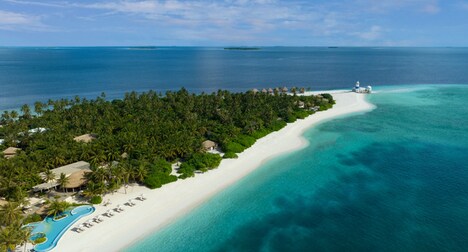
The Maldives are starting to save to buy a new homeland because their low-lying country is expected to disappear if predictions by climate change models are true. Already most of the Maldives, a chain of 1,200 island and coral atolls in the Indian Ocean, is barely 1.5 meters above sea level.
Mohamed Nasheed, the country’s first democratically elected president, announced that a portion of the country’s billion dollar tourist revenue will be put aside as an insurance policy if the worst were to happen. He has already canvassed a number of countries receptive to selling land to the Maldivians. Sri Lanka and India are obvious targets as they share similar cultures and climate.
Why This Trend Is Growing
- Climate Change Adaptation
- The trend of countries, like the Maldives, saving funds to purchase new homelands in response to the threat of rising sea levels caused by climate change.
- Island Nations' Resilience
- The trend of island nations proactively preparing for the potential disappearance of their current territories by exploring options to acquire new land.
- Global Land Market
- The trend of creating a market for the sale of land between countries, particularly between low-lying island nations in need of new territories and countries with available land.
Industries Being Reshaped
- Tourism
- The tourism industry in low-lying island nations like the Maldives can potentially benefit from redirecting a portion of their revenue towards saving funds for purchasing new homelands.
- Real Estate
- The real estate industry can explore new opportunities to facilitate the sale of land between countries, especially between island nations threatened by climate change and countries with suitable land.
- Insurance
- The insurance industry can provide innovative solutions, such as climate change insurance policies, to help countries like the Maldives protect themselves financially against the potential loss of their territories.