




Atmosphera Introduces the Weather Typing Concept
Kalin Ned — May 3, 2026 — Social Good
References: prnewswire
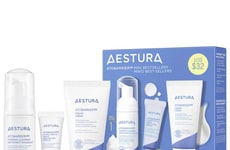
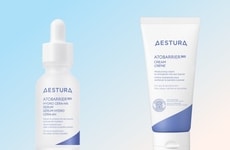
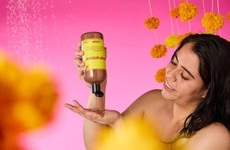
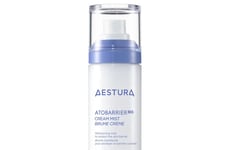
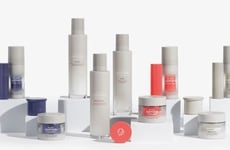
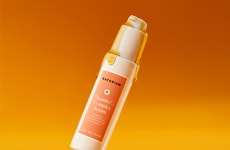
Canadian brand Atmosphera recently launched in the United States, and in tandem with this announcement, it introduced the 'weather typing' product selection. This concept moves beyond traditional skin typing categories — like oily, dry, or combination — and instead recommends products based on real-time environmental factors, including humidity, temperature, air pollution, and UV exposure.
Atmosphera offers bundled skincare rituals sold directly through its website or via a network of trained Affiliates, with pre-launch sales reaching $700,000 and a community of over 3,000 Affiliates before the official US debut. Atmosphera has also secured partnerships with Pact Collective to address hard-to-recycle packaging waste. The company uses ChemFORWARD for ingredient safety assessment, and plans to source more than half of its plant-derived ingredients from regenerative, organic, or upcycled feedstocks by 2028. The company notes regeneratively grown sea kelp extract as an example of an ingredient strategically chosen for its ability to nourish skin in cold climates.
Image Credit: Atmosphera
Atmosphera offers bundled skincare rituals sold directly through its website or via a network of trained Affiliates, with pre-launch sales reaching $700,000 and a community of over 3,000 Affiliates before the official US debut. Atmosphera has also secured partnerships with Pact Collective to address hard-to-recycle packaging waste. The company uses ChemFORWARD for ingredient safety assessment, and plans to source more than half of its plant-derived ingredients from regenerative, organic, or upcycled feedstocks by 2028. The company notes regeneratively grown sea kelp extract as an example of an ingredient strategically chosen for its ability to nourish skin in cold climates.
Image Credit: Atmosphera
Trend Themes
-
Weather-informed Personalization — Real-time environmental data integration enables product recommendations that adapt formulations and routines to local humidity, temperature, pollution and UV levels.
-
Climate-adaptive Formulations — Formulations tailored for specific climate stressors, such as cold-weather barrier support or pollution-neutralizing complexes, create opportunities for new ingredient blends and delivery systems.
-
Regenerative and Upcycled Ingredients — A shift toward regenerative, organic and upcycled feedstocks opens pathways for sourcing differentiated actives with documented environmental and functional benefits.
Industry Implications
-
Skincare and Beauty Retail — Direct-to-consumer and affiliate-driven models can be reconfigured around localized, data-driven product bundles and subscription rituals tied to changing weather patterns.
-
Packaging and Waste Management — Hard-to-recycle packaging challenges create space for circular packaging systems and partnership models that reclaim and repurpose skincare containers.
-
Cosmetic Ingredient Supply Chains — Demand for regeneratively grown and upcycled feedstocks could restructure sourcing networks and certification frameworks for traceable, climate-resilient ingredient supplies.
8.1
Score
Popularity
Activity
Freshness