




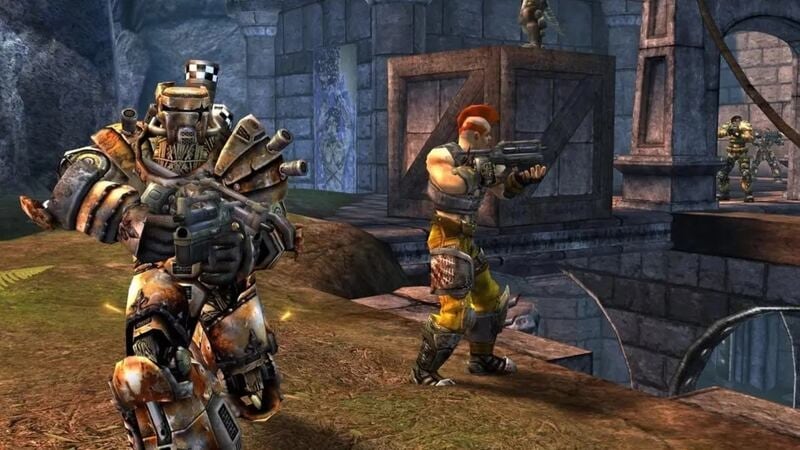



Unreal Tournament 2004 is Back; OldUnreal Brings A Modern Community Patch
Edited by Colin Smith — February 19, 2026 — Tech
This article was written with the assistance of AI.
Unreal Tournament 2004 has been re-released for free with Epic Games’ blessing, made available by the OldUnreal community project and distributed via the Internet Archive, featuring a community-created installer and patch designed to modernize the title. OldUnreal announced the simultaneous release and a public patch that updates the game for contemporary systems. The project manager noted this was the first public UT2004 patch in over 20 years.
The community patch delivers numerous fixes and improvements, a new SDL backend for Linux and macOS, a new renderer and migration to modern build systems. The installer pulls the original disc image from the Internet Archive and OldUnreal’s GitHub hosts the patch, while the update remains compatible with Windows, Linux and Mac OS. Some issues may persist as fixes landed.
For players, the restored UT2004 offers renewed access to classic modes such as Onslaught and Assault and potentially revived multiplayer lobbies, while preserved bot AI ensures single-player replayability. The effort highlights fan-led preservation as a growing trend in retro PC gaming and practical stewardship of legacy titles.
Image Credit: OldUnreal, Epic Games
The community patch delivers numerous fixes and improvements, a new SDL backend for Linux and macOS, a new renderer and migration to modern build systems. The installer pulls the original disc image from the Internet Archive and OldUnreal’s GitHub hosts the patch, while the update remains compatible with Windows, Linux and Mac OS. Some issues may persist as fixes landed.
For players, the restored UT2004 offers renewed access to classic modes such as Onslaught and Assault and potentially revived multiplayer lobbies, while preserved bot AI ensures single-player replayability. The effort highlights fan-led preservation as a growing trend in retro PC gaming and practical stewardship of legacy titles.
Image Credit: OldUnreal, Epic Games
Trend Themes
1. Community-led Game Preservation - Volunteer-driven projects are enabling full restorations of classic titles, creating new value from abandoned IP through coordinated modern releases and distribution.
2. Modernization of Legacy Codebases - Updating old engines and build systems with contemporary backends and renderers is turning decades-old software into maintainable, cross-platform products.
3. Cross-platform Retro Multiplayer Revival - Reintegrating preserved multiplayer lobbies and networking with modern OS support is renewing long-dormant player communities and extending title lifecycles.
Industry Implications
1. Video Game Development - Studios and indie teams can leverage community patches and archival releases to monetize remasters, expansions, and live-service iterations of legacy franchises.
2. Digital Archiving Services - Organizations that catalogue, host, and legally distribute legacy software are positioned to become custodians of cultural content and trusted intermediaries for reuse.
3. Open-source Tooling and Middleware - Tool vendors and contributors are seeing demand for modern backends, cross-platform renderers, and build-system migrations that bridge old engines to current ecosystems.
6.8
Score
Popularity
Activity
Freshness