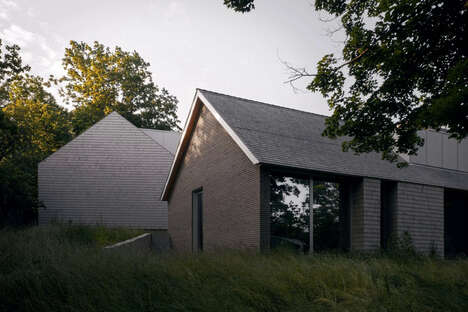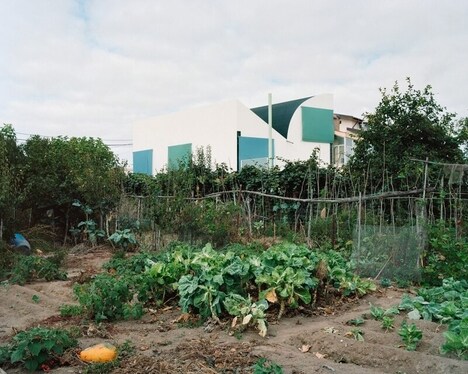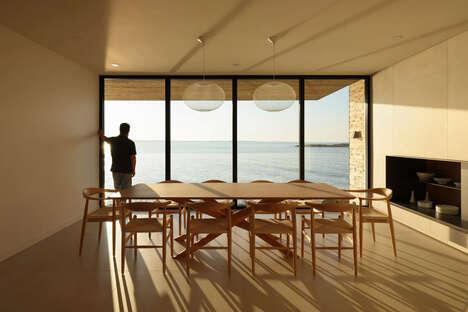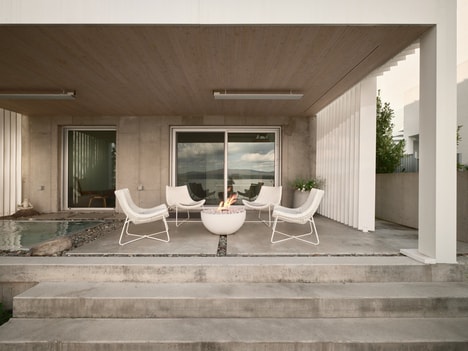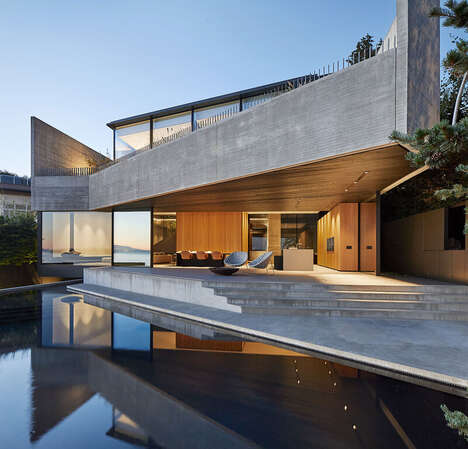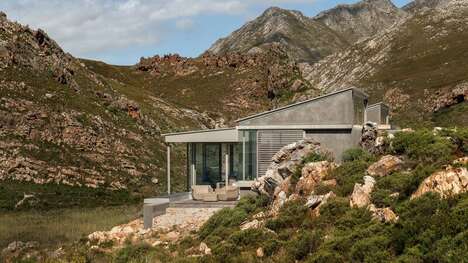
The Two Hulls House strikes a contemporary stance along the glaciated, coastal landscape of Nova Scotia, Canada. Nevertheless, its dual facade fits the environment beautifully. Jutting beyond a shallow cliff, "two pavilions float above the shoreline like two ship’s hulls up on cradles for the winter," as described by the designers.
Designed by MacKay-Lyons Sweetapple Architects, the Two Hulls House was created to fully appreciate the natural beauty it is surrounded by. Like a pair of asymmetrical binoculars, the unobstructed view can elevates the beauty of the Two Hulls House itself. The two sections have been designated for a certain time of day. The night pavilion is where all the bedrooms are located while the day pavilion is the living area.
Why This Trend Is Growing
- Dual Facade Architecture
- Exploring the use of two distinct facades in architectural design can create unique and visually striking structures.
- Nature-inspired Residences
- Designing homes that blend seamlessly with their natural surroundings offers a unique and immersive living experience.
- Asymmetrical Binocular Design
- Using an asymmetrical design approach in architecture can create visually captivating structures that stand out from traditional designs.
Industries Being Reshaped
- Architecture
- Architects can embrace the trend of dual facade architectures to create innovative and visually stunning buildings.
- Real Estate
- Real estate developers can capitalize on the demand for nature-inspired residences by incorporating natural elements into their projects.
- Interior Design
- Interior designers can take inspiration from the asymmetrical binocular design of the Two Hulls House to create unique and visually captivating living spaces.