





Superflex Turns Designs And Prompts Into Production-Ready Frontend Code
Ellen Smith — February 18, 2026 — Tech
References: superflex.ai
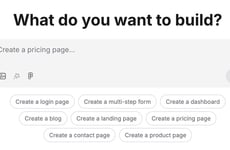
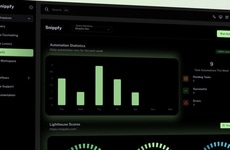
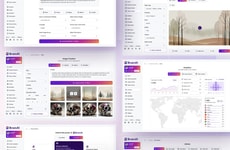
Superflex is an AI-powered frontend development assistant designed to accelerate how teams translate design into production-ready code. It converts inputs such as Figma designs, images, and natural language prompts into frontend code that aligns with an existing codebase.
Rather than generating generic output, Superflex adapts to a team’s established coding style, design system, and reusable UI components. This approach helps reduce inconsistencies and rework that often occur when moving from design to development. For engineering teams, the tool can shorten build cycles, improve collaboration between designers and developers, and free up time for higher-value work such as architecture and optimization. From a business perspective, Superflex supports faster iteration, more predictable UI quality, and improved development efficiency without requiring changes to existing workflows.
Image Credit: Superflex
Rather than generating generic output, Superflex adapts to a team’s established coding style, design system, and reusable UI components. This approach helps reduce inconsistencies and rework that often occur when moving from design to development. For engineering teams, the tool can shorten build cycles, improve collaboration between designers and developers, and free up time for higher-value work such as architecture and optimization. From a business perspective, Superflex supports faster iteration, more predictable UI quality, and improved development efficiency without requiring changes to existing workflows.
Image Credit: Superflex
Trend Themes
-
Design-to-code Automation — A shift toward tools that translate Figma and prompts into production-ready code signals potential to drastically reduce manual handoff and rework between design and engineering.
-
Adaptive Code Synthesis — Systems that learn and emit code aligned with an existing codebase and design system open opportunities for maintaining consistent quality while scaling frontend output.
-
Designer-developer Convergence — Increasingly blurred roles between design and engineering indicate the emergence of workflows where non-engineering inputs can directly influence deployable UI components.
Industry Implications
-
Software Development — Frontend teams stand to see build cycles shortened and QA burdens shifted as AI assistants generate code that matches project conventions and component libraries.
-
Design Agencies — Agencies could experience faster client iterations and tighter fidelity between mockups and deployed sites as automated tools transform visual assets into working interfaces.
-
Enterprise IT — Large organizations may benefit from more predictable UI quality and reduced integration risk when AI-produced frontend code adheres to established enterprise architectures and standards.
4.4
Score
Popularity
Activity
Freshness