




Stella McCartney's Summer 2026 Campaign is Shot in Qatar
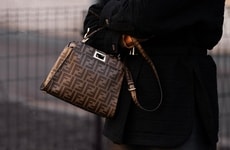
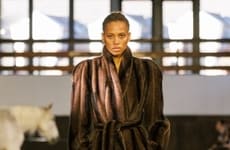
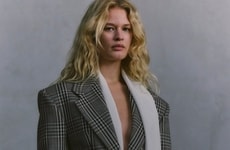
The Stella McCartney Summer 2026 ad campaign was shot by Sharna Osborbne with model Yasmin Wijnaldum in Qatar’s Al Kharrarah National Park. The images present a collection built from 98% sustainable materials and entirely free from leather, feathers, fur, and exotic skins
The color palette of Stella McCartney's Summer 2026 capsule mixes pinks, lavenders, and blues with earthy khaki, grey, and pecan. Ready-to-wear pieces include utilitarian cargo details on crisp cotton minis with crinoline hems, Savile Row-inspired double-breasted jackets with dropped lapels worn over pleated wide-leg trousers, and sporty Italian-influenced shirting from the 1980s.
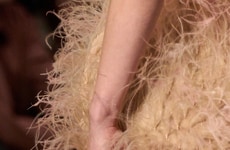
Two world-first innovations are said to debut with the Summer 2026 ad campaign and collection — FEVVERS, a plant-based alternative to feathers that provides light, layered movement on corseted gowns, and PURE.TECH, a programmable material that absorbs and neutralizes airborne pollutants such as carbon dioxide and nitrogen oxides.
Image Credit: Sharna Osborbne
The color palette of Stella McCartney's Summer 2026 capsule mixes pinks, lavenders, and blues with earthy khaki, grey, and pecan. Ready-to-wear pieces include utilitarian cargo details on crisp cotton minis with crinoline hems, Savile Row-inspired double-breasted jackets with dropped lapels worn over pleated wide-leg trousers, and sporty Italian-influenced shirting from the 1980s.
Two world-first innovations are said to debut with the Summer 2026 ad campaign and collection — FEVVERS, a plant-based alternative to feathers that provides light, layered movement on corseted gowns, and PURE.TECH, a programmable material that absorbs and neutralizes airborne pollutants such as carbon dioxide and nitrogen oxides.
Image Credit: Sharna Osborbne
Trend Themes
1. Sustainable Couture Materials - The introduction of plant-based FEVVERS that mimic feather movement alongside fully animal-free collections signals a redefinition of luxury materials rooted in sustainability and novel biomimicry.
2. Dessert-set Luxury Campaigns - Shoots staged in arid landscapes like Qatar’s Al Kharrarah National Park pair pastel palettes with utilitarian tailoring to create experiential narratives that blend nature, travel, and fashion prestige.
3. Programmable Textile Performance - PURE.TECH’s ability to absorb and neutralize airborne pollutants transforms garments into active environmental interfaces that blur the line between apparel and air-quality technology.
Industry Implications
1. Luxury Fashion - High-end brands embracing plant-based alternatives and pollutant-neutralizing fabrics are reshaping value propositions around ethics, performance, and sensory luxury.
2. Technical Textiles and Materials - Rising interest in programmable materials and bio-derived feather substitutes is prompting new material science priorities in R&D, sourcing, and manufacturing processes.
3. Environmental Services and Air Quality Tech - Wearable fabrics that capture and neutralize pollutants create opportunities for integration between personal apparel and broader urban air-monitoring and remediation systems.
6.7
Score
Popularity
Activity
Freshness