




Skapp Provides Open Source Tools For Managing HR, Finance, And Projects
Ellen Smith — February 14, 2026 — Business
References: skapp
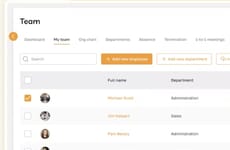
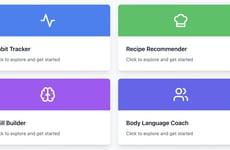
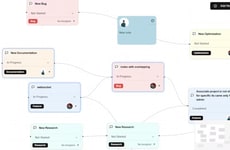
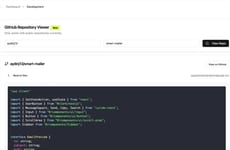
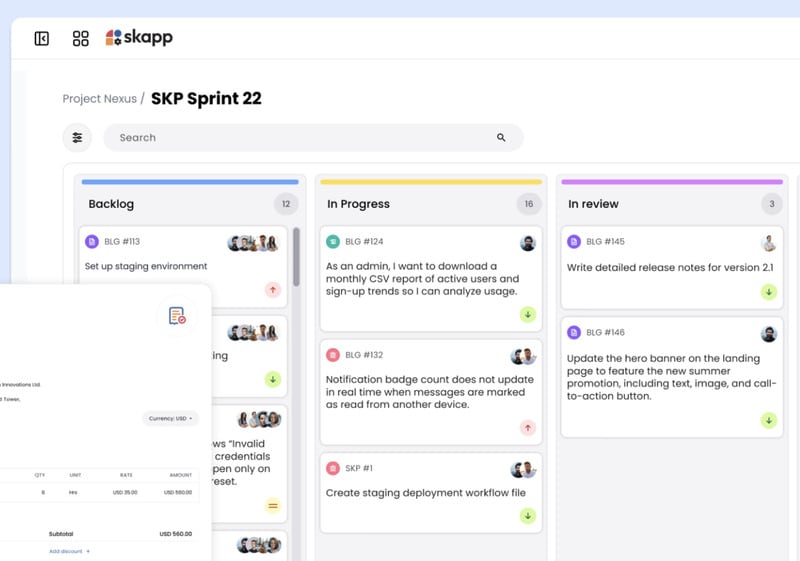
Skapp is an open-source business management platform designed to centralize a range of organizational functions, including HR, finance, and project management.
By offering a unified interface for multiple operational areas, the platform aims to simplify workflows, improve data visibility, and reduce reliance on disparate tools. Its open-source nature allows businesses to customize features, integrate with existing systems, and adapt the platform to their specific processes. Skapp’s approach emphasizes efficiency and coordination, providing teams with shared dashboards, reporting tools, and task management features to monitor performance across departments.
For businesses evaluating operational software, Skapp illustrates how modular, open-source solutions can offer flexibility and control while supporting growth initiatives, resource management, and internal collaboration without locking organizations into proprietary systems.
Image Credit: Skapp
By offering a unified interface for multiple operational areas, the platform aims to simplify workflows, improve data visibility, and reduce reliance on disparate tools. Its open-source nature allows businesses to customize features, integrate with existing systems, and adapt the platform to their specific processes. Skapp’s approach emphasizes efficiency and coordination, providing teams with shared dashboards, reporting tools, and task management features to monitor performance across departments.
For businesses evaluating operational software, Skapp illustrates how modular, open-source solutions can offer flexibility and control while supporting growth initiatives, resource management, and internal collaboration without locking organizations into proprietary systems.
Image Credit: Skapp
Trend Themes
-
Open Source Business Suites — A growing preference for community-driven, customizable platforms is enabling vendors and enterprises to bypass proprietary lock-in and cultivate interoperable ecosystems.
-
Modular Integration Architecture — Composable modules that plug into shared cores are creating opportunities for tailored functionality and incremental adoption across diverse organizational processes.
-
Unified Data Visibility — Cross-departmental dashboards and consolidated reporting are surfacing new analytics-driven services that can centralize decision-making and resource optimization.
Industry Implications
-
Human Resources Technology — Integrated open platforms are shifting HR systems from isolated payroll and talent modules toward holistic employee lifecycle management with richer internal data flows.
-
Financial Software — Finance tools embedded in a unified suite are enabling real-time budgeting and forecasting capabilities previously constrained by siloed accounting systems.
-
Project Management Platforms — Project tooling that natively connects to HR and finance layers is fostering new offerings centered on cross-functional resource allocation and outcome-based metrics.
3.6
Score
Popularity
Activity
Freshness