







Structeryx And NC State Introduced a Self-Healing FRP Composite
Edited by Colin Smith — February 27, 2026 — Tech
This article was written with the assistance of AI.
References: structeryx & newatlas
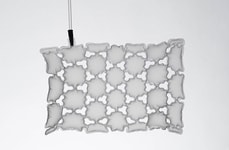
North Carolina State University researchers and startup Structeryx introduced a fiber-reinforced polymer (FRP) composite designed to repair internal delamination, featuring a 3D-printed thermoplastic interlayer and carbon-based heating layers that melt and flow into cracks. The team published the approach in Proceedings of the National Academy of Sciences and described automated in situ healing that restored fractured interfaces repeatedly.
The composite’s construction pairs fiber reinforcements with a thermoplastic interlayer printed onto fibers and electrically conductive carbon layers that generate heat on demand. Tests induced large delaminations repeatedly and triggered remelting of the interlayer to re-bond separated laminae, extending interlaminar toughness. For manufacturers and infrastructure operators, the material promises much longer service life, lower maintenance cycles and reduced material waste by enabling century-scale fracture recovery. Its automated healing aligns with trends toward resilient, low-maintenance structural materials for aerospace, wind and transport.
Image Credit: Structeryx
The composite’s construction pairs fiber reinforcements with a thermoplastic interlayer printed onto fibers and electrically conductive carbon layers that generate heat on demand. Tests induced large delaminations repeatedly and triggered remelting of the interlayer to re-bond separated laminae, extending interlaminar toughness. For manufacturers and infrastructure operators, the material promises much longer service life, lower maintenance cycles and reduced material waste by enabling century-scale fracture recovery. Its automated healing aligns with trends toward resilient, low-maintenance structural materials for aerospace, wind and transport.
Image Credit: Structeryx
Trend Themes
1. Autonomous Self-healing Materials - Pathway toward materials that autonomously restore structural integrity after delamination through embedded sensing and heating layers.
2. 3d-printed Functional Interlayers - Thermoplastic interlayers printed directly onto fiber reinforcements enable localized remelting and rebonding within composite laminates.
3. Electrically Activated Repair Systems - Integration of carbon-based conductive layers provides on-demand Joule heating for repeated internal crack healing without disassembly.
Industry Implications
1. Aerospace Structures - Airframes and spacecraft structures that see extended service life and reduced inspection frequency from automated internal healing.
2. Wind Energy Turbine Manufacturing - Blade composites with embedded repair capability that promise lower maintenance downtime and longer operational lifespans.
3. Transportation Infrastructure - Bridges, railcars and vehicle components benefiting from in situ fracture recovery to minimize material replacement and lifecycle costs.
6
Score
Popularity
Activity
Freshness