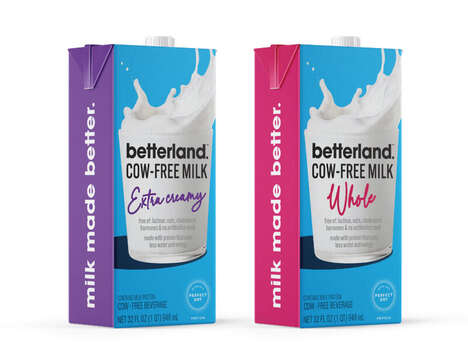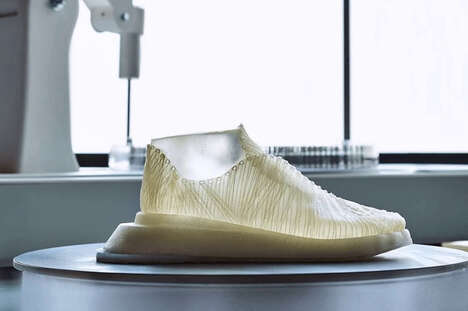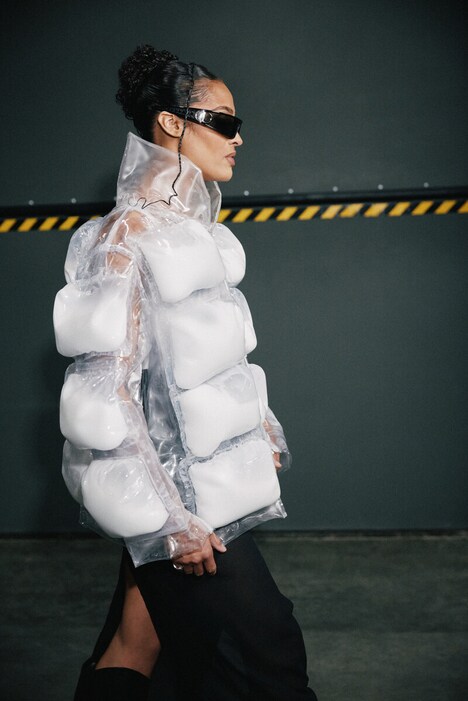
Most women know that milk is their friend, as calcium guards against Osteoporosis, but the ‘Qmilch’ textile by Anke Damaske gives the drink a whole new appeal.
From Casein, a protein found in milk, Damaske has spun a solid material that is usable in clothing production. The result is a smooth as silk fabric that does not need to be dry-cleaned every time a wash is in order. The durable material also serves as an alternative for those who have textile allergies. The science-educated fashion-lover brought the best two worlds together to perfect a practice once used by Germans and the Chinese in the 1930s.
The product is not yet available on a large scale, as Damaske is waiting on the establishment of a production facility capable of producing 1,000 tonnes per year.
Key Themes Behind This Trend
- Milk-based Textiles
- Innovative use of milk proteins to create durable and silky fabrics for clothing production.
- Sustainable Fashion
- An environmentally friendly and cruelty-free alternative to traditional textiles made entirely of milk proteins or casein.
- Textile Allergies Solution
- An opportunity to cater to customers with textile allergies by offering a hypoallergenic and comfortable clothing option made from milk proteins.
Where This Applies
- Fashion and Apparel
- A potential avenue for fashion designers and clothing manufacturers to create unique and eco-friendly clothing lines using milk-based textiles.
- Agriculture and Dairy
- A potential for dairy companies to diversify their product offerings by investing in milk-based textile production.
- Health and Wellness
- An opportunity for health and wellness companies to promote the benefits of milk-based textiles in improving skin condition and reducing textile allergies.