






Pittsburgh Regional Transit Expands Accessibility Services with Aira
Pittsburgh Regional Transit has expanded its accessibility services by introducing Aira ASL, an on-demand ASL application that connects deaf and hard-of-hearing riders with live American Sign Language interpreters in real time using a smartphone or computer's camera and microphone. This new tool allows users to access interpretation services anywhere within the transit network at any time without the need for advance scheduling.
This accessibility initiative builds upon Pittsburgh Regional Transit's existing partnership with Aira, which already provided visual interpreting services for blind and low-vision riders, and positions the transit system as the first public transit agency in the country to offer both on-demand ASL and visual interpreting services.
By integrating this technology, PRT aims to remove communication barriers that deaf and hard-of-hearing individuals may encounter when navigating public transportation — from asking for directions to understanding service announcements or interacting with transit personnel.
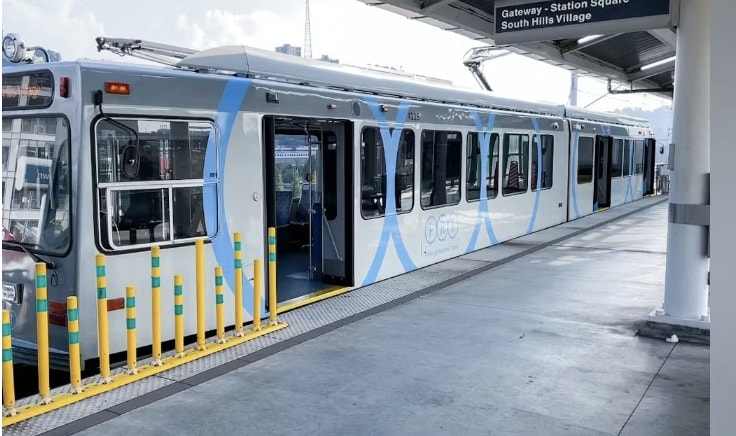
Image Credit: Pittsburgh Regional Transit
This accessibility initiative builds upon Pittsburgh Regional Transit's existing partnership with Aira, which already provided visual interpreting services for blind and low-vision riders, and positions the transit system as the first public transit agency in the country to offer both on-demand ASL and visual interpreting services.
By integrating this technology, PRT aims to remove communication barriers that deaf and hard-of-hearing individuals may encounter when navigating public transportation — from asking for directions to understanding service announcements or interacting with transit personnel.
Image Credit: Pittsburgh Regional Transit
Trend Themes
-
On-demand Signed Communication — Real-time ASL via mobile devices enables instantaneous visual language access for deaf riders without prior scheduling, disrupting traditional interpreter booking models.
-
Inclusive Transit Technology — Transit systems are integrating accessibility-first tools that embed communication services into rider journeys, altering expectations for universal design in public transport.
-
Multimodal Accessibility Platforms — Platforms combining ASL and visual interpreting create unified accessibility ecosystems that consolidate disparate disability services into single digital experiences.
Industry Implications
-
Public Transportation — Transit agencies now face shifting service paradigms as technology enables on-demand accessibility features to become standard rider amenities.
-
Assistive Technology — Developers of accessibility apps and hardware encounter opportunities to expand remote interpretation offerings and integrate multimodal communication capabilities.
-
Customer Service Operations — Frontline service models are being redefined by live remote interpretation, changing how staff interact with customers who use alternative communication methods.
6.7
Score
Popularity
Activity
Freshness