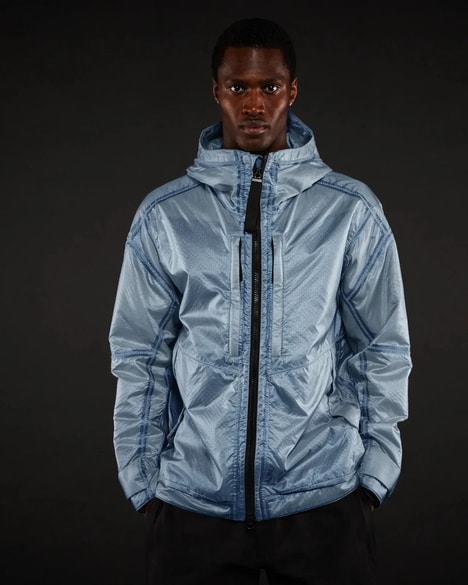
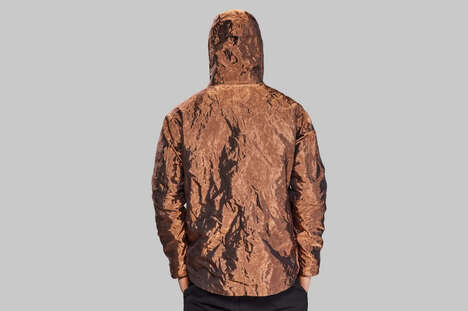
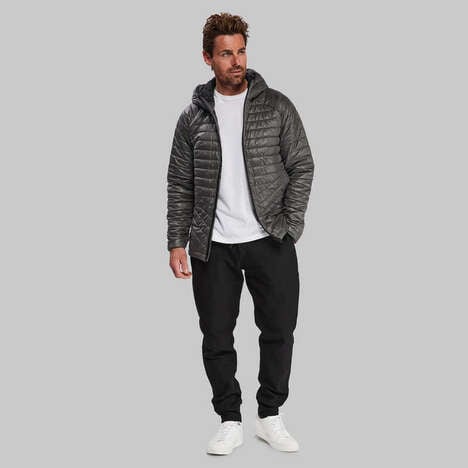
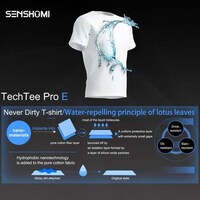
Researchers at the University of Zurich have developed a way to mimic the Lotus-Effect and make a hyper-waterproof fabric. A jacket made with this technology and submerged for two months comes out as dry as the day it was submerged.
The fabric is a polyester base coated with silicone nanofibers.
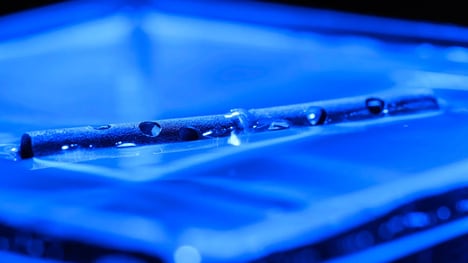
According to Lead Researcher Stefan Seeger, “The combination of the hydrophobic surface chemistry and the nanostructure of the coating results in the super-hydrophobic effect... The water comes to rest on the top of the nanofilaments like a fakir sitting on a bed of nails.”
This material lends itself to self-cleaning materials, low drag swim suits and anything else where keeping dry or trapping micro-pockets of air might be of use.
What's Driving This Trend
- Hyper-waterproof Fabrics
- Opportunity for the development of innovative waterproof materials for various applications.
- Self-cleaning Materials
- Potential for the creation of self-cleaning surfaces in various industries.
- Low Drag Swim Suits
- Disruptive innovation opportunity for the swimwear industry with the development of low drag fabrics.
Who This Affects Most
- Textile Industry
- Innovation potential for manufacturers to create hyper-waterproof fabrics.
- Cleaning Industry
- Opportunity to develop self-cleaning materials for cleaning products and surfaces.
- Sports Apparel Industry
- Potential for swimwear companies to create low drag swim suits using advanced fabric technology.