


Learning Memory By Glasp Turns Highlights Into A Searchable AI Brain
Ellen Smith — February 18, 2026 — Business
References: glasp.co
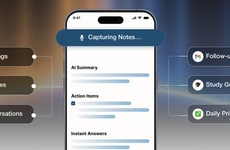
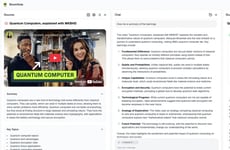
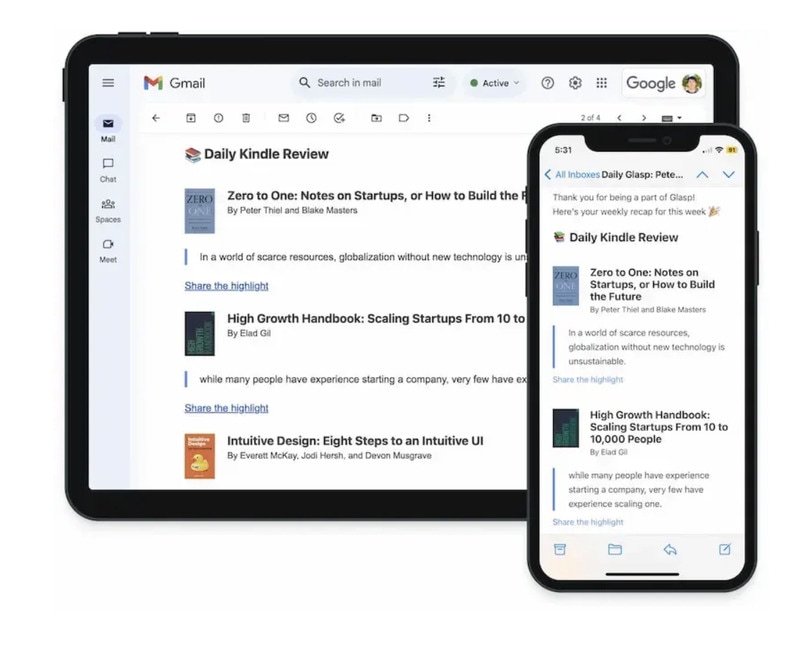
Learning Memory by Glasp is a knowledge management tool that transforms personal highlights and notes into an interactive AI-driven memory layer. By indexing what users read, save, and annotate, the system enables conversational access to their accumulated knowledge.
Users can ask questions, retrieve past insights, and explore connections across topics without manually searching through notes. From a business and productivity perspective, this approach addresses a common challenge: information overload and knowledge decay over time. Learning Memory positions itself as a personal intelligence system that supports faster recall, deeper synthesis, and more informed decision-making. It is particularly relevant for knowledge workers, researchers, and creators who rely on continuous learning. Rather than generating new content, the platform focuses on maximizing the long-term value of existing knowledge assets by making them searchable, contextual, and continuously usable through AI interaction.
Image Credit: Learning Memory
Users can ask questions, retrieve past insights, and explore connections across topics without manually searching through notes. From a business and productivity perspective, this approach addresses a common challenge: information overload and knowledge decay over time. Learning Memory positions itself as a personal intelligence system that supports faster recall, deeper synthesis, and more informed decision-making. It is particularly relevant for knowledge workers, researchers, and creators who rely on continuous learning. Rather than generating new content, the platform focuses on maximizing the long-term value of existing knowledge assets by making them searchable, contextual, and continuously usable through AI interaction.
Image Credit: Learning Memory
Trend Themes
1. AI-personal Knowledge Layers - A shift toward persistent, AI-indexed memory layers that store and contextualize individual reading and annotation histories could redefine how personal expertise is accessed and reused over time.
2. Conversational Knowledge Retrieval - Conversational interfaces for querying personal knowledge bases promise to replace manual searching with natural language access to accumulated insights and cross-topic connections.
3. Highlight-to-insight Indexing - Automated conversion of highlights and notes into searchable, linked representations can surface latent relationships and surface previously forgotten evidence across an individual's information footprint.
Industry Implications
1. Enterprise Knowledge Management - Organizations could see significant gains from embedding personal memory layers into corporate systems, enabling faster onboarding, reduced information silos, and continuous reuse of institutional know-how.
2. Academic Research Platforms - Research workflows may be transformed as indexed highlights and conversational access streamline literature synthesis, reproducibility tracking, and longitudinal idea development.
3. Creative Agencies - Creative teams stand to benefit from searchable personal archives that preserve inspiration, themes, and client learnings, potentially accelerating ideation and maintaining brand-consistent outputs.
6.9
Score
Popularity
Activity
Freshness