



The KLEVV CRAS C925G Uses an Innovative MaXio MAP1602A-F3C Controller
Edited by Kanesa David — March 2, 2026 — Tech
This article was written with the assistance of AI.
References: klevv & thinkcomputers.org
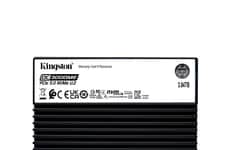
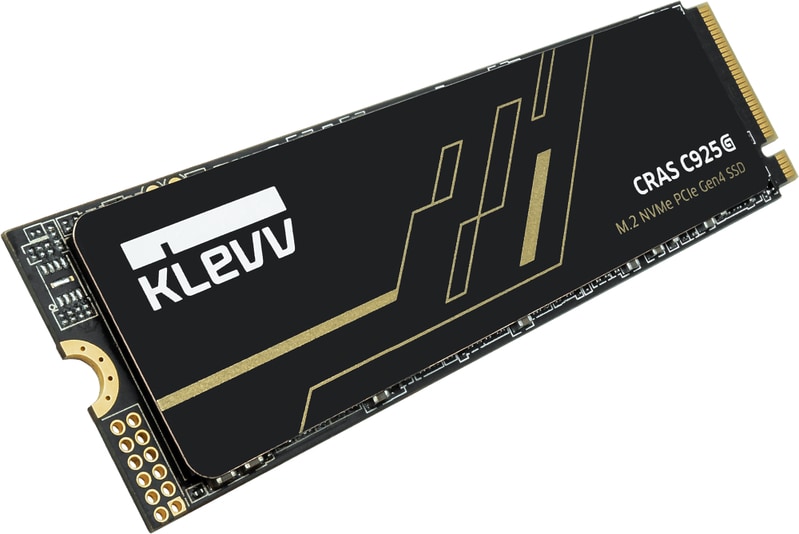
KLEVV introduced the CRAS C925G, a Gen4 solid-state drive that pairs a MaXio MAP1602A-F3C DRAM-less controller with SK Hynix 238-layer 3D TLC NAND, featuring a compact design aimed at high-bandwidth PC builds. The drive was rolled out as an option for users seeking PCIe 4.0 performance in a budget-friendly form factor, with the DRAM-less architecture reducing component count.
The C925G’s configuration emphasizes efficiency: the MAP1602A-F3C controller manages flash translation without onboard DRAM (DRAM-less means the controller relies on host memory), while the 238-layer NAND provides modern density and endurance characteristics. The review notes performance and thermal behavior across typical client workloads.
For consumers, the CRAS C925G offers a balance of Gen4 throughput and cost savings, making high-speed upgrades more accessible. As DRAM-less Gen4 SSDs become common, this model underscores a trend toward streamlined internal designs that target mainstream gamers and builders.
Image Credit: KLEVV
The C925G’s configuration emphasizes efficiency: the MAP1602A-F3C controller manages flash translation without onboard DRAM (DRAM-less means the controller relies on host memory), while the 238-layer NAND provides modern density and endurance characteristics. The review notes performance and thermal behavior across typical client workloads.
For consumers, the CRAS C925G offers a balance of Gen4 throughput and cost savings, making high-speed upgrades more accessible. As DRAM-less Gen4 SSDs become common, this model underscores a trend toward streamlined internal designs that target mainstream gamers and builders.
Image Credit: KLEVV
Trend Themes
-
Dram-less Gen4 Adoption — Wider acceptance of DRAM-less PCIe 4.0 SSDs suggests potential for lower-cost, higher-volume storage products that trade onboard memory for host-assisted management.
-
Host-managed Memory Architectures — Reliance on host memory for flash translation opens opportunities to rethink controller firmware and OS-level protocols to optimize latency and compatibility.
-
High-density 3D NAND Integration — The use of 238-layer TLC NAND indicates room for designs that leverage extreme layer counts to balance cost per gigabyte with endurance and thermal profiles.
Industry Implications
-
PC Component Manufacturing — Mainstream motherboard and OEM vendors could be impacted by SSDs that shift memory requirements to the platform, changing BOM composition and thermal design considerations.
-
Gaming and Enthusiast Hardware — Enthusiast-focused builds may gravitate toward streamlined Gen4 SSDs that offer high throughput at lower price points, affecting accessory and cooling ecosystem demand.
-
Cloud and Edge Storage Providers — Hyperscale operators and edge site deployments might evaluate DRAM-less high-density NAND for cost-effective capacity tiers where host-managed translation aligns with server architectures.
4.6
Score
Popularity
Activity
Freshness