



CHARMANT Builds Frames That Adjust to Movement and Reduce Pressure
mursal rahman — May 5, 2026 — Fashion
References: prnewswire
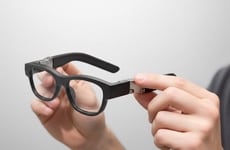
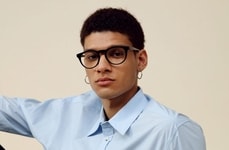
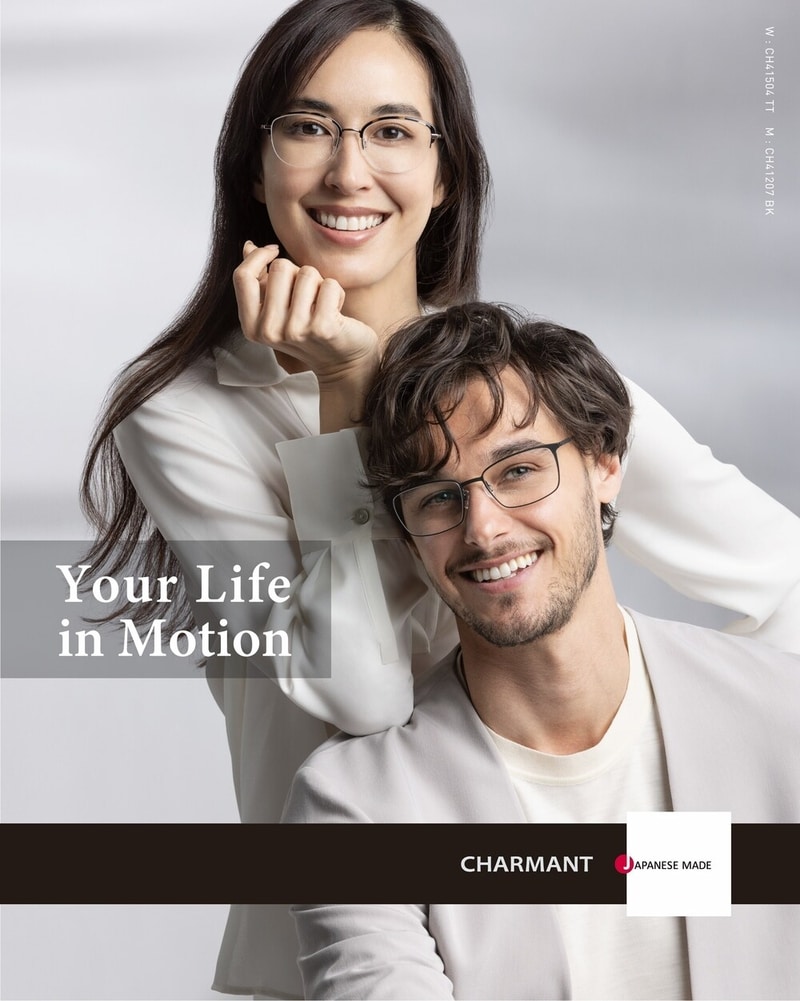
CHARMANT's adaptive eyewear systems reflect a shift toward designing wearable products that respond to real-world movement and long-term comfort needs. Through its CHARMANT Japanese Made line, the company incorporates MotionTech temple structures and lightweight beta titanium materials that flex both vertically and horizontally, reducing pressure on the ears and nose. This allows users to wear eyewear for extended periods without discomfort, particularly benefiting those with active lifestyles or higher prescription lenses.
For CHARMANT, this approach creates a competitive advantage by moving beyond style and focusing on performance-driven design. The brand can differentiate through comfort engineering, appealing to consumers who prioritize function alongside aesthetics. It also opens opportunities to target niche segments, such as professionals, athletes, or individuals with sensitivity to pressure. As more eyewear brands adopt similar strategies, competition may increasingly center on adaptive comfort and durability.
Image Credit: CHARMANT
For CHARMANT, this approach creates a competitive advantage by moving beyond style and focusing on performance-driven design. The brand can differentiate through comfort engineering, appealing to consumers who prioritize function alongside aesthetics. It also opens opportunities to target niche segments, such as professionals, athletes, or individuals with sensitivity to pressure. As more eyewear brands adopt similar strategies, competition may increasingly center on adaptive comfort and durability.
Image Credit: CHARMANT
What matters most in comfort-first eyeglasses?
Helps decide what eyewear features to cover, which reader segments to target, and what product partnerships or shopping guides to prioritize.
1 / 3
When was the last time you bought prescription glasses or frames?
2 / 3
If you were buying frames, how much would comfort affect your choice?
3 / 3
Which frame feature would make you most likely to switch brands?
Trend Themes
-
Adaptive Comfort Design — A focus on frames that dynamically redistribute pressure during movement creating potential for wearables that enable all-day use without discomfort.
-
Motion-responsive Materials — Materials engineered to flex in multiple planes point to product lines that adapt structurally to user activity and varying facial anatomies.
-
Performance-driven Aesthetics — Blending functional engineering with visual design signals demand for fashionable products where measurable comfort and durability are primary differentiators.
Industry Implications
-
Eyewear and Optical Retail — Retailers and brands can capitalize on frames that reduce fit-related returns and expand premium service offerings tied to personalized comfort metrics.
-
Sports and Performance Apparel — Sports brands may integrate adaptive-fit eyewear into kits that prioritize sustained comfort during high-movement activities and extended training sessions.
-
Medical Devices and Assistive Technology — Clinicians and device makers could leverage low-pressure, flexible frames for therapeutic eyewear solutions serving patients with sensory sensitivities or postural issues.
7.2
Score
Popularity
Activity
Freshness