




Brose and Farsoon Introduced the 'LF Metal System'
Edited by Debra John — March 3, 2026 — Tech
This article was written with the assistance of AI.
References: 3dprinting
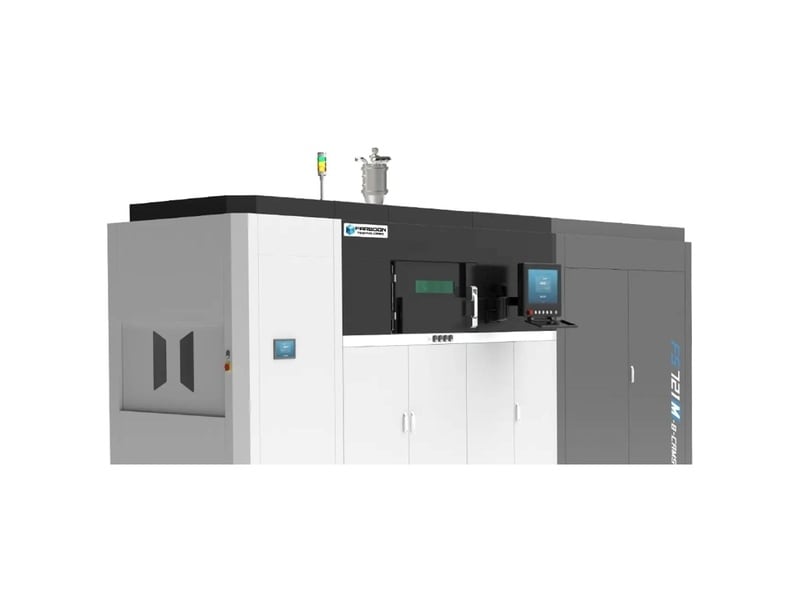
German supplier Brose and Farsoon Technologies partnered to install the 'LF Metal System' a new metal 3D printer for series production, featuring an extended build volume and increased laser power that enables larger single-piece parts and higher part throughput.
The system was introduced in late 2025 and is used for both prototyping and volume production, featuring a tool-free workflow that simplifies design iterations. Brose feeds the machine with metal powder made entirely from recycled punching waste from its own press shops, which the company said preserves chemical composition and mechanical properties consistent with conventional sheet metal.
This approach reduces joining steps and supports circular-material workflows while allowing faster turnarounds for complex or variant components, making additive production more economical and flexible for automotive manufacturing trends focusing on sustainability and localized, on-demand fabrication.
Image Credit: Brose
The system was introduced in late 2025 and is used for both prototyping and volume production, featuring a tool-free workflow that simplifies design iterations. Brose feeds the machine with metal powder made entirely from recycled punching waste from its own press shops, which the company said preserves chemical composition and mechanical properties consistent with conventional sheet metal.
This approach reduces joining steps and supports circular-material workflows while allowing faster turnarounds for complex or variant components, making additive production more economical and flexible for automotive manufacturing trends focusing on sustainability and localized, on-demand fabrication.
Image Credit: Brose
Trend Themes
1. Recycled-metal Additive Manufacturing - Using metal powder reclaimed from in-house punching waste creates pathways for closed-loop supply chains that lower material costs while maintaining certified mechanical properties.
2. Tool-free Series Production - Eliminating tooling steps with large-format printers enables the consolidation of multi-piece assemblies into single printed parts, shortening lead times and reducing joining complexity.
3. Localized On-demand Fabrication - Deploying high-throughput metal printers near assembly sites supports rapid production of variants and spare parts, decreasing inventory and transportation dependencies.
Industry Implications
1. Automotive Manufacturing - High-volume additive systems paired with recycled-feedstock offer opportunities to produce structural and variant components more sustainably and with fewer suppliers.
2. Aerospace Components - The ability to print larger, single-piece metal parts from validated recycled powders could influence certification models for lightweight structural and replacement components.
3. Industrial Tooling and Presswork - Integration of recycled-metal 3D printing presents possibilities for redesigning dies and fixtures that reduce press-shop waste and enable faster iteration of tooling geometries.
5.3
Score
Popularity
Activity
Freshness