



L'Oréal and Institut Pasteur Team Up to Advance Skin Health Science
mursal rahman — April 8, 2026 — Fashion
References: fr.wiztopic
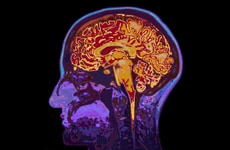
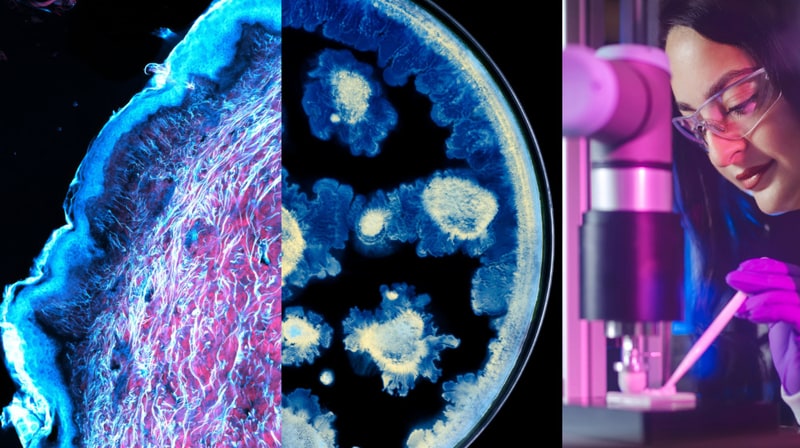
Biotech beauty partnerships are redefining how skincare brands approach research and product development, as seen in L’Oréal’s collaboration with Institut Pasteur. By combining expertise in microbiology, immunology, and skin biology, the partnership explores how the skin microbiome and biomarkers reflect overall health. This positions skin as more than a cosmetic focus, highlighting its role as an indicator of well-being and enabling more targeted, science-backed skincare solutions. The research aims to uncover new pathways related to aging, immune response, and barrier function.
This collaboration reflects a wider shift toward health-led beauty. As consumers prioritize preventative care and personalization, brands grounded in scientific credibility are better positioned to stand out. It also signals growing opportunities for cross-industry partnerships, where biotech expertise influences product pipelines and pushes skincare further into a clinical, results-driven space.
Image Credit: L'Oréal
This collaboration reflects a wider shift toward health-led beauty. As consumers prioritize preventative care and personalization, brands grounded in scientific credibility are better positioned to stand out. It also signals growing opportunities for cross-industry partnerships, where biotech expertise influences product pipelines and pushes skincare further into a clinical, results-driven space.
Image Credit: L'Oréal
Science-led skincare and skin health signals
Informs near-term decisions on buying skincare, trying microbiome/biomarker-led products, and choosing between clinical vs traditional positioning.
1 / 3
When did you last buy a skincare product for your face?
2 / 3
Next time you shop skincare, would you try a microbiome-focused product?
3 / 3
Which would you be more likely to buy in the next year?
Trend Themes
1. Microbiome-centric Skincare - Targeting skin microbial communities creates potential for formulations and companion diagnostics that produce quantifiable improvements in barrier function and inflammation.
2. Health-led Beauty - A shift from purely aesthetic claims toward clinically validated markers positions products as preventive health adjuncts tied to biomarkers of aging and immune response.
3. Cross-disciplinary R&D Alliances - Collaborations between cosmetics firms and research institutes enable translation of immunology and skin-biology insights into novel ingredient classes and clinical-grade testing protocols.
Industry Implications
1. Cosmetics and Personal Care - Brands rooted in scientific credibility can expand into efficacy-driven product lines that blur the line between over-the-counter care and medical-grade interventions.
2. Biotechnology and Life Sciences - Commercial partnerships with beauty companies open pathways for biotech firms to monetize skin-focused assays, biologics, and targeted delivery technologies.
3. Digital Health and Diagnostics - Emerging demand for skin-based biomarkers supports development of consumer-facing diagnostic tools and integrated data platforms that correlate skin signals with systemic health metrics.
9.2
Score
Popularity
Activity
Freshness