






A Harvard-Trained Lawyer Built Soxton, an AI Firm for Founders
Edited by Grace Mahas — March 5, 2026 — Business
This article was written with the assistance of AI.
References: entrepreneur
Logan Brown spent three years at Cooley — one of Silicon Valley's most prominent law firms — watching early-stage founders repeatedly sidestep legal help until it became too expensive to ignore. The pattern was consistent: startups would patch together templates from Google or lean on ChatGPT, accumulating preventable mistakes that cost far more to unwind later. Brown left her associate role in May 2025 to build Soxton, an AI-powered legal startup targeting companies at their earliest and most legally vulnerable stage.
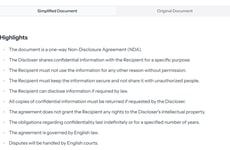
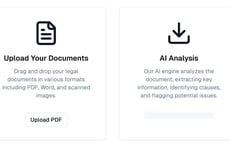
Soxton's model is straightforward: founders submit document requests, AI drafts the output, and a human attorney reviews everything before it goes back to the client — all for a flat $100 per contract. With over 300 startups already on the platform and $2.5 million raised, Soxton has grown almost entirely through referrals. Brown's bet is that accessible, tech-assisted legal services can reach founders earlier in the company-building process, before costly mistakes have a chance to compound.
Image Credit: Soxton
Soxton's model is straightforward: founders submit document requests, AI drafts the output, and a human attorney reviews everything before it goes back to the client — all for a flat $100 per contract. With over 300 startups already on the platform and $2.5 million raised, Soxton has grown almost entirely through referrals. Brown's bet is that accessible, tech-assisted legal services can reach founders earlier in the company-building process, before costly mistakes have a chance to compound.
Image Credit: Soxton
Trend Themes
-
AI-assisted Legal Drafting — Combining large-language-model drafting with human review creates scalable quality control that reduces per-document cost and turnaround time for routine agreements.
-
Flat-fee Legal Platforms — Subscription or per-contract pricing models displace hourly billing norms and enable predictable budgeting for founders who previously deferred counsel due to cost uncertainty.
-
Founder-first Legal Onboarding — Integrating legal intake into the earliest stages of company formation prevents compounding downstream liabilities and shifts risk management left in the product lifecycle.
Industry Implications
-
Legal Services — Standardized AI templates paired with attorney oversight present opportunities to reconfigure how law firms package commoditized work and capture volume from underserved micro-clients.
-
Startup Incubation — Accelerators and incubators that embed low-cost, on-demand legal tooling into their programs can materially lower failure risk tied to governance, IP, and fundraising errors.
-
Saas Legal-tech Platforms — Vertical platforms that combine document automation, workflows, and network effects through referrals can scale rapid customer acquisition while maintaining margin via human-in-the-loop validation.
6.1
Score
Popularity
Activity
Freshness