






Kokuma Introduces a Clinically Backed Hydroquinone Alternative
Edited by Mursal Rahman — April 29, 2026 — Fashion
This article was written with the assistance of AI.
References: kokuma.tech & premiumbeautynews
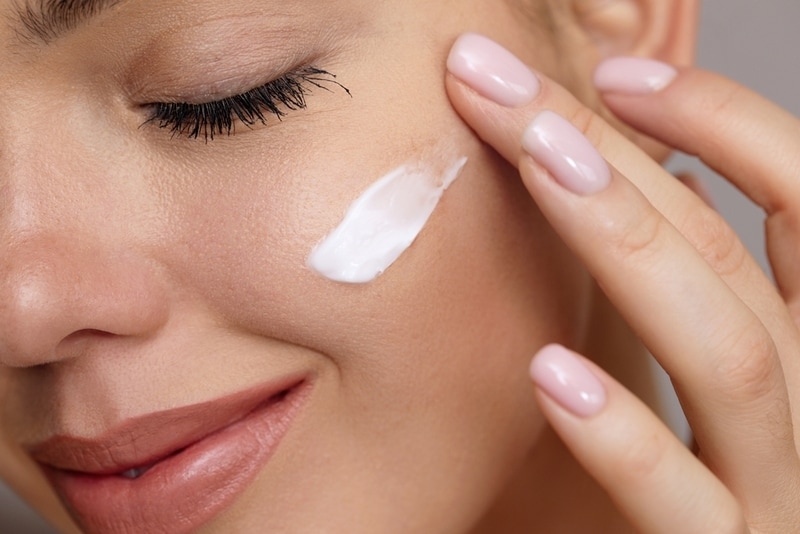
Biotech skin brightening ingredients are reshaping how brands approach pigmentation care by offering clinically supported alternatives to traditional treatments. Kokuma’s Tonasulike-D introduces a multi-pathway approach that targets both melanin production and transfer, rather than relying on a single mechanism. This allows for more consistent and visible results across different skin tones while remaining stable, odorless and easy to incorporate into various skincare formulations, including daily use and post-procedure products.
For brands and formulators, this creates new opportunities to develop high-performance skincare lines that meet growing demand for safe, effective and inclusive solutions. As consumers become more informed and seek products backed by clinical data, companies can differentiate through advanced ingredients that deliver measurable results. This shift may also accelerate the move away from traditional depigmentation methods, encouraging wider adoption of next-generation skincare actives.
Image Credit: verona studio/Shutterstock
For brands and formulators, this creates new opportunities to develop high-performance skincare lines that meet growing demand for safe, effective and inclusive solutions. As consumers become more informed and seek products backed by clinical data, companies can differentiate through advanced ingredients that deliver measurable results. This shift may also accelerate the move away from traditional depigmentation methods, encouraging wider adoption of next-generation skincare actives.
Image Credit: verona studio/Shutterstock
Clinically backed alternatives for dark spot care
Helps decide what skincare topics to cover and what product features drive trial or switching in dark spot treatments.
1 / 3
When was the last time you used a product for dark spots?
2 / 3
If shopping for dark spot care, would you try a hydroquinone alternative?
3 / 3
Which claim would most influence you to try a dark spot product?
Trend Themes
-
Multi-pathway Brightening — Multi-pronged mechanisms that inhibit melanin production and transfer enable formulations to deliver consistent results across diverse skin tones, opening space for clinically validated alternatives to hydroquinone.
-
Clinical-data Driven Actives — Clinically backed ingredient claims are shifting consumer trust toward measurable efficacy, creating demand for lab-validated actives that challenge legacy treatments.
-
Inclusive Daily-use Formulations — Formulas designed to be stable, odorless and safe for everyday and post-procedure use support broader market adoption across sensitive and varied skin types, disrupting single-target depigmenting products.
Industry Implications
-
Skincare Brands — Established beauty companies can differentiate by integrating biotech actives into mainstream lines, transforming product portfolios away from traditional bleaching agents.
-
Cosmetic Chemistry and Formulation — Ingredient developers and formulators face opportunities to create stable, compatible delivery systems that incorporate multi-pathway actives for diverse applications.
-
Dermatology and Aesthetic Clinics — Clinical practices may see a shift toward prescribing or retailing clinically validated topical alternatives that complement or replace invasive depigmentation procedures.
5.5
Score
Popularity
Activity
Freshness