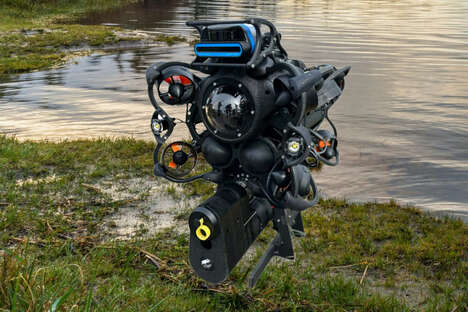
The newest project out of MIT: Seaswarm robots that are designed to act like a "legion of seagoing Roombas" that skim the ocean surface to pick up oil.
The robots are each outfitted with a GPS and Wi-Fi capability to track location and communicate within a swarm. Trailing a thin, hydrophobic material that can soak up twenty times its weight in oil, the robots would have been able to clean up the Gulf of Mexico's oil spill in a mere month using a swarm of 5,000.
The way the MIT Seaswarm robots work is by finding a spill, and slowly working their way from the edges to the center. They are also reusable, making them an eco-friendly choice for a serious problem.
What's Driving This Trend
- Robotic Oil Spill Cleaners
- Opportunity for developing more advanced robotic systems to efficiently clean up oil spills in a shorter time frame.
- Swarm Robotics
- Potential for utilizing swarm robotics technology to enhance the efficiency and effectiveness of environmental cleanup operations.
- Eco-friendly Solutions
- Growing demand for sustainable and reusable technologies to tackle environmental challenges like oil spills.
Who This Affects Most
- Robotics
- Promising disruptive innovation opportunities in the development and application of robotic systems for environmental cleanup.
- Environmental Services
- Opportunity for companies in the environmental services industry to adopt and provide specialized oil spill cleanup solutions.
- Materials Science
- Potential for advancements in hydrophobic materials to create more effective oil-absorbing substances for use in oil spill cleaning equipment.