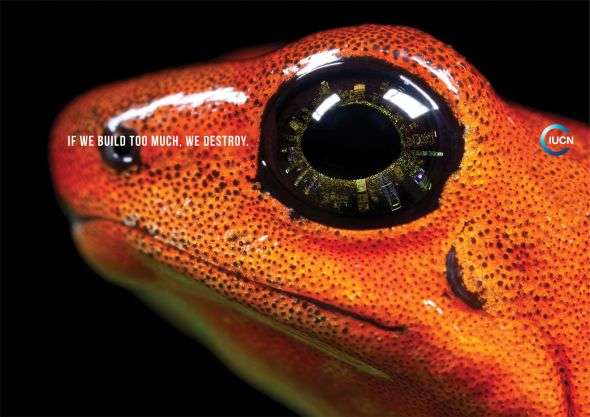
A disturbing trend has seen the rate of amphibians born with deformities in the U.S. increase to an estimated 8 percent.
The odd amphibian deformations have included salamanders and frogs with missing or extra limbs and digits, and other amphibians born so malformed that, sadly, they don't survive.
Biologists are yet to figure out why these malformations are occurring so frequently for certain, but they suspect it could be the result of inbreeding, parasites or pollution.
Implications - Scientists are very concerned with the high rates of amphibian malformation; such malformation could very pose a threat to the survival of certain species. The eco movement can certainly use this as an example of the fragile state of the environment.
Why This Trend Is Growing
- Amphibian Deformities
- There is an opportunity for biologists to research and develop solutions to address the high rates of amphibian malformation and prevent potential extinction of certain species.
- Environmental Pollution
- Industries should invest in eco-friendly and sustainable practices in order to minimize the negative impact of pollution on the environment and prevent further malformation in amphibians and other wildlife.
- Biodiversity Conservation
- There is a need for conservation efforts to protect wildlife and preserve the delicate balance of ecosystems to prevent further malformations and potential extinction of unique species.
Industries Being Reshaped
- Biotechnology
- Biotech companies can develop innovative solutions to prevent or reverse amphibian malformations and address potential environmental threats to wildlife populations.
- Environmental Conservation
- Organizations and industries involved in environmental conservation can work towards creating policies and promoting practices that prevent pollution and protect wildlife and ecosystems.
- Waste Management
- The waste management industry can develop more efficient and sustainable waste disposal methods to prevent pollution and minimize negative impacts on the environment and wildlife populations.